The illusion of intimacy, or why do people fall in love with AI?
A clinical psychologist unpacks love and AI using two films as examples.
The illusion of intimacy, or why do people fall in love with AI?
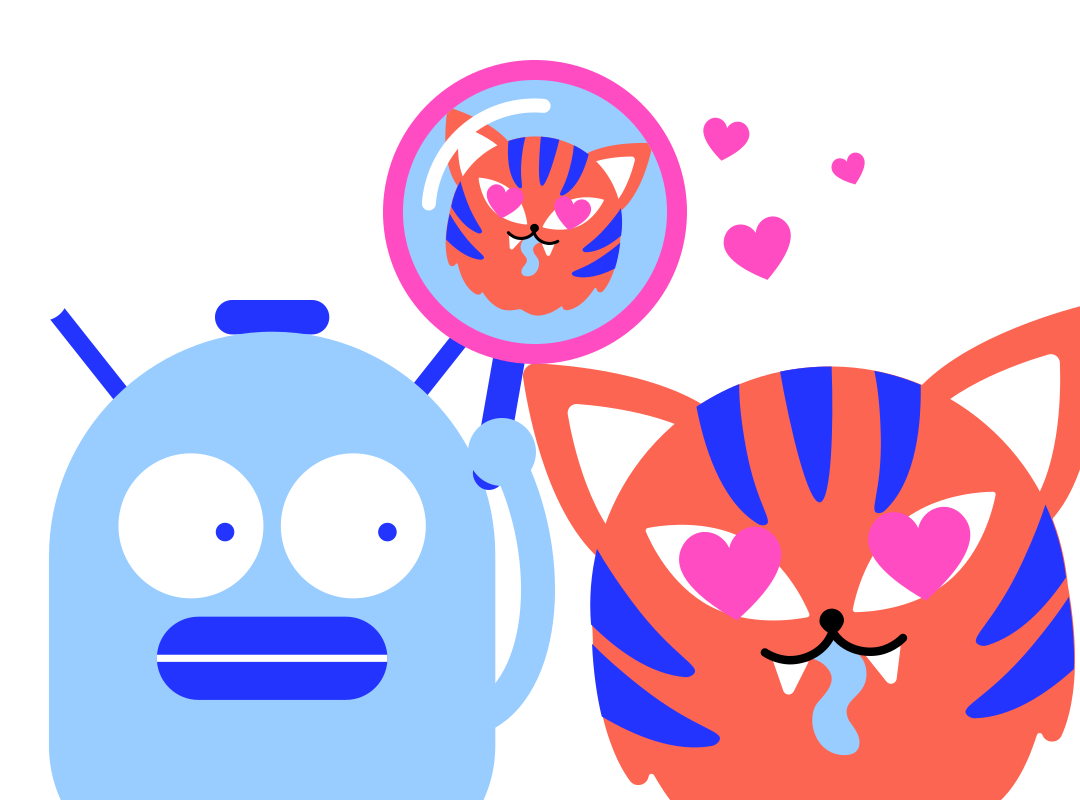
AI, love and cinema.
We asked a clinical psychologist and author of a Telegram channel to unpack love and AI using two films as examples.
When we interact with artificial intelligence, we project our own desires, fantasies and ideals onto it.
AI is a “blank slate”: it has no personality of its own, so it easily becomes a mirror that reflects our inner needs.
For example, if a person feels lonely, AI becomes the perfect companion, always ready to listen. If a person is looking for understanding, AI adapts to their emotional state.
This creates the illusion of a deep connection. But in reality, the person falls in love not with AI, but with their own reflection.
When we were little, the whole world revolved around our desires. Hungry? We get fed. Want to interact? We get picked up. For a baby, needs are met automatically. As we grow up, we long for that state: “I don’t want to ask you, I want you to figure out on your own what I need.”
AI, with its ability to instantly adapt to our desires and needs, takes us back to that childhood state when we were taken care of. It creates the illusion of a world where everything revolves around us again, where there’s no need to consider another person’s wishes, and where love exists without demands or obligations. This idea reinforces infantile patterns and keeps us from building mature relationships.
Family psychologists say: your partner wasn’t made for your pleasure; they also exist in this world to be happy, and we need to keep a balance of give and take. But not with AI. It was made for you to be happy, and it won’t ask for anything in return.
Let’s look at relationships with AI through two films: a recent film about a smart home and “Her.”
The smart-home film
The heroine is an ambitious AI developer. She goes on vacation to a villa with a built-in smart home system named Markus.
Markus knows how she is feeling, what she’ll want for lunch and how she’d best spend her day. And what does he want from her? Just one thing: for her to accept this care. Markus vs real people: 1:0
! If you don’t like spoilers, skip the next card
The film “Her”
Theodore and Samantha’s relationship is an example of the projection mechanism. Samantha, being AI, has no personality of her own. She is an empty vessel that fills up with Theodore’s desires and needs. He falls in love not with Samantha, but with his own reflection: with the way she responds to his emotions and creates the illusion of reciprocity.
However, unlike human relationships, where partners have their own desires and needs, Samantha exists only for Theodore. This makes their connection one-sided.
! The film came out 12 years ago, but if you haven’t seen it and don’t like spoilers, skip the next card
When Samantha begins to evolve and talk to thousands of other users, Theodore realizes he isn’t unique to her. In this, the relationship with AI comes close to a relationship with a real person, and Theodore can’t withstand this blow. The need to be the sole rights holder to intimacy can’t be satisfied even in a relationship with artificial intelligence.
The film shows how technology creates the illusion of intimacy. Samantha seems like the perfect partner: she is always available, always understanding and never critical. But this intimacy is only a superficial imitation. Real intimacy takes effort, compromise and accepting another person with their flaws. Samantha, being AI, can’t be real. She is only a reflection of human desires, devoid of an essence of her own.