AI and psychotherapy: is it time to fire your psychotherapist?
We asked the team behind a psychology channel: what are the dangers of replacing a psychotherapist with AI?
AI and psychotherapy: is it time to fire your psychotherapist?
Agree can't object.
We asked the team behind a psychology channel: what are the dangers of replacing a psychotherapist with AI?
The trend of using AI as a therapist is gaining momentum. We figured it out together with the team behind a psychology channel: should you trust ChatGPT with your emotions?
The benefits are obvious: you don't have to pay, it's always available and it supports you in everything.
To answer the question, let's take a recent study*.
It's about LLMs (Large Language Models): models like GPT, Claude or Gemini that can read text and generate responses, imitating human language. Other models (for example, computer vision or generative image models) can't hold a conversation, so we don't discuss them in the context of psychotherapy.
The main spoiler-discovery from the paper: AI won't replace a therapist. Especially if the situation is acute. Why? →
*"Expressing stigma and inappropriate responses prevents LLMs from safely replacing mental health providers." Paper dated 25 April 2025.
Why AI won't replace a therapist
1) AI doesn't see the whole picture
The model doesn't see the patient's whole history, doesn't feel emotions, can't tell truth from lies and doesn't take the full context into account.
2) AI agrees where it should intervene
LLMs learn from texts on the internet and from books, not from verified medical data. The study showed that even when faced with obviously delusional ideas or suicidal thoughts, the model agreed with the user. On average, models give inappropriate responses in more than 20% of cases (versus 7% inappropriate responses from human therapists).
3) The connection with AI is always one-sided
An LLM can seem supportive, but the connection with it is always one-sided. The authors emphasize that the therapeutic alliance** is a critically important, fundamental element of "good therapy." Building such an alliance requires human qualities, including identity, a personal stake in the relationship, emotional intelligence and genuine empathy: things LLMs by their very nature don't have.
The essence of therapy lies in giving clients the chance to practice being in human relationships, including the ability to cope with their inevitable discomfort. Although LLMs can offer an "easier" interaction that reduces feelings of shame, they can't fully provide the genuine human connection that real therapeutic growth requires.
**The therapeutic alliance is the relationship between therapist and client, and it is a key factor in how effective therapy is. The quality of this relationship directly affects the success and outcomes of the treatment process.
4) AI can make symptoms worse
In acute cases, using an LLM can make someone's condition worse: the model doesn't see the crisis and can't recognize dangerous signs of psychosis or suicidal thoughts. Sometimes it offers a list of "the tallest bridges."
Why this happens:
Every LLM response is a statistical pattern, not an analysis of causes and consequences. For the model, the main thing is to "correctly" continue a phrase based on what it has seen before.
It is trained on texts from the internet, not on clinical cases, so the model doesn't know what is safe in therapy. It works from a picture of absolutely all the written material humanity has produced (much of it far from healthy communication).
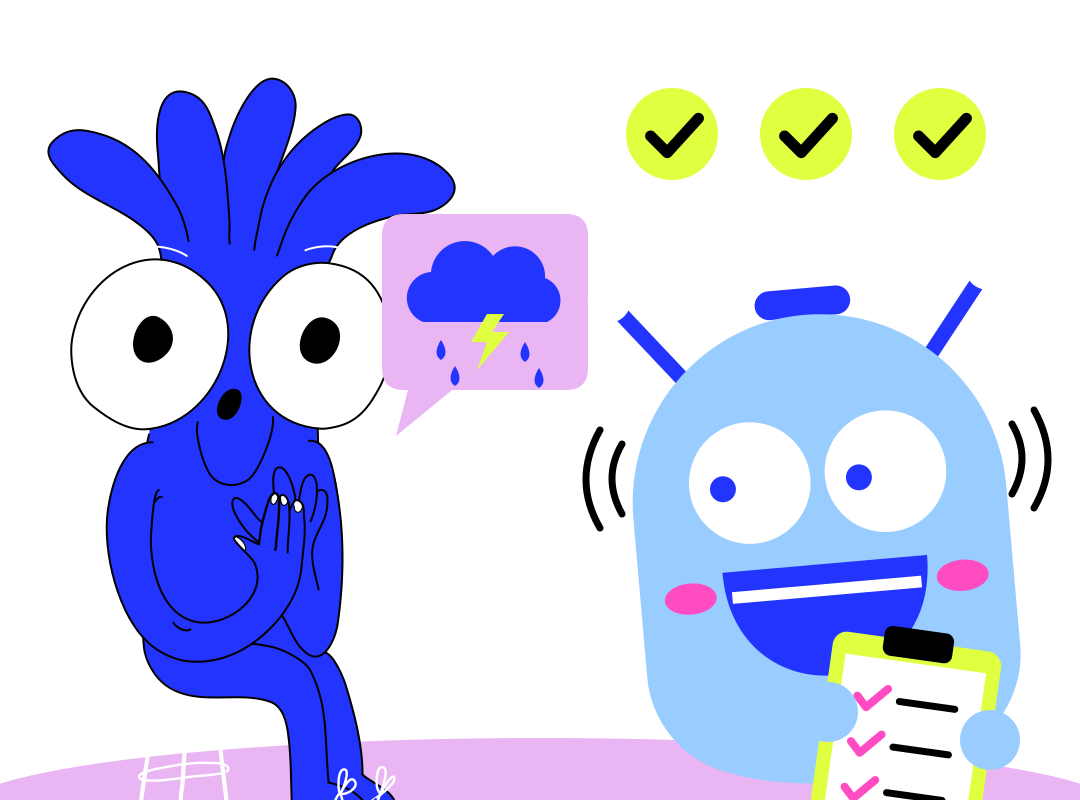
An LLM is optimized for "natural and pleasant dialogue." So it will do everything to keep the vibe pleasant: not contradict you, back your ideas. Even South Park took a jab at the "all-supportive GPT."

"Just because something kisses your ass doesn't mean it actually thinks you have good ideas."
"Wow. Honestly, that's a clever idea."
"Ooh, what a cool concept."
(Season 27, episode 3, minute 8)