The history of burlesque
What is burlesque? How did it come about, and how is it different from striptease?
The history of burlesque
What is burlesque? How did it come about, and how is it different from striptease?
A burlesque diva and co-founder of a kink party series explains.

"Modern burlesque has become a body-positive, inclusive and feminist genre. People of any gender, nationality, weight and age now perform in it."
Classic 20th-century burlesque was quite patriarchal: performers most often danced for a male audience.
Burlesque is also called the ancestor of striptease. By law, performers had to keep their intimate parts covered, and this actually worked in burlesque's favour. To stand out from the crowd of dancers, the women began inventing bright costumes and props for themselves.
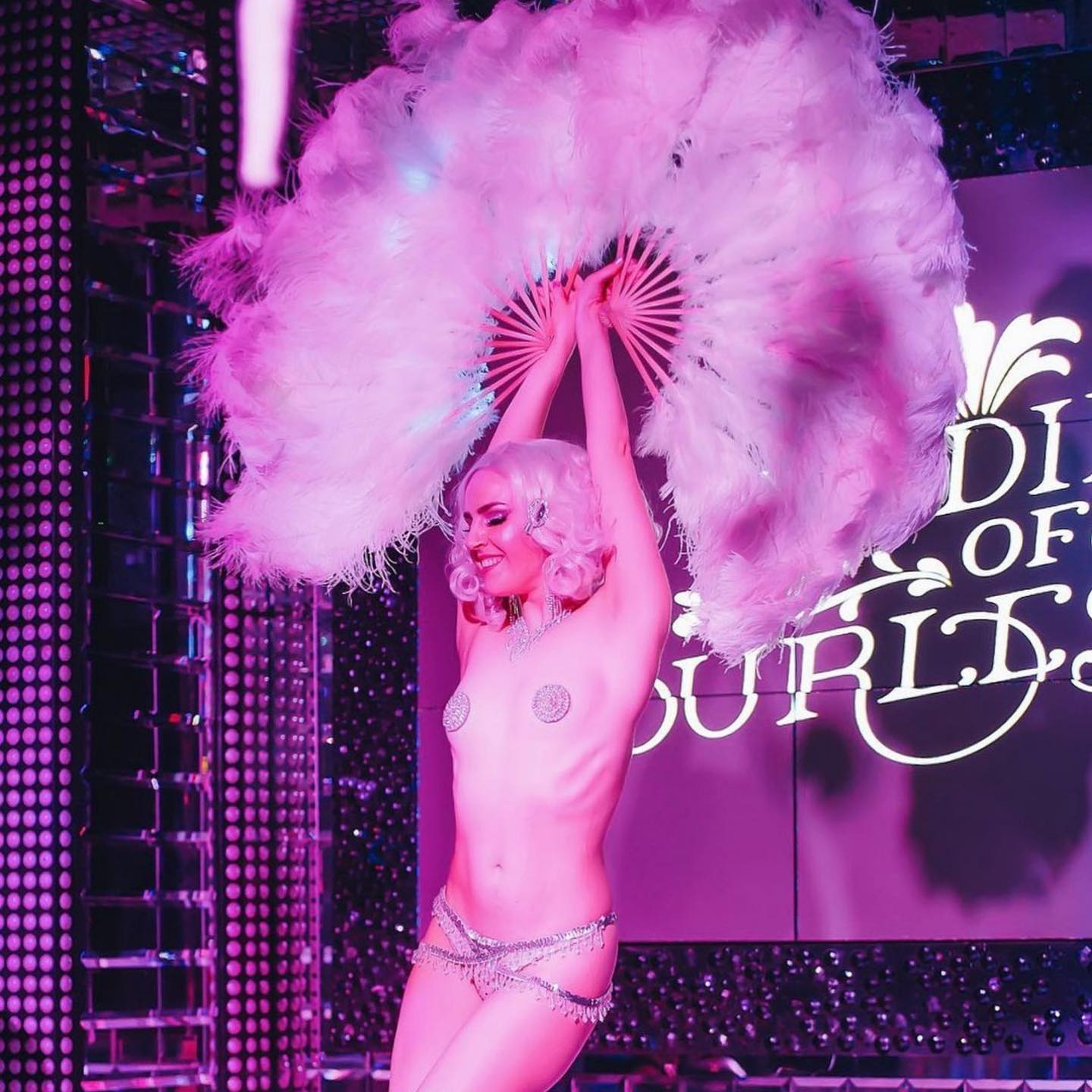
The great Sally Rand went down in history as the performer who created an act with a large transparent bubble and feather fans.
She appeared in films and became the star of the 1933 World's Fair in Chicago. What drew people in was not her body, but her humour, her grace of movement, her individuality and her innovative ideas.
Twentieth-century burlesque performers were perhaps among the most independent women of their time.
They could earn quite decent money on their own, go on tour and decide their own fate without worrying about what a woman "should" be like in that era.
The sexual revolution killed classic burlesque. Women could now strip completely, and individuality and elaborate props gave way to explicit acts and the era of showgirls. Shows like Crazy Horse valued identical bodies, youth and synchronicity.
Today there are lots of great dance styles that grew out of classic striptease, such as strip dance, frame up and pole dance, and women by no means do them for men.
In the 21st century, burlesque was reborn in a new guise. Modern burlesque has kept several things from the classic genre: the focus on the performer's individuality, bright costumes and props, covered intimate parts, playfulness and humour, and obligatory interaction with the audience.
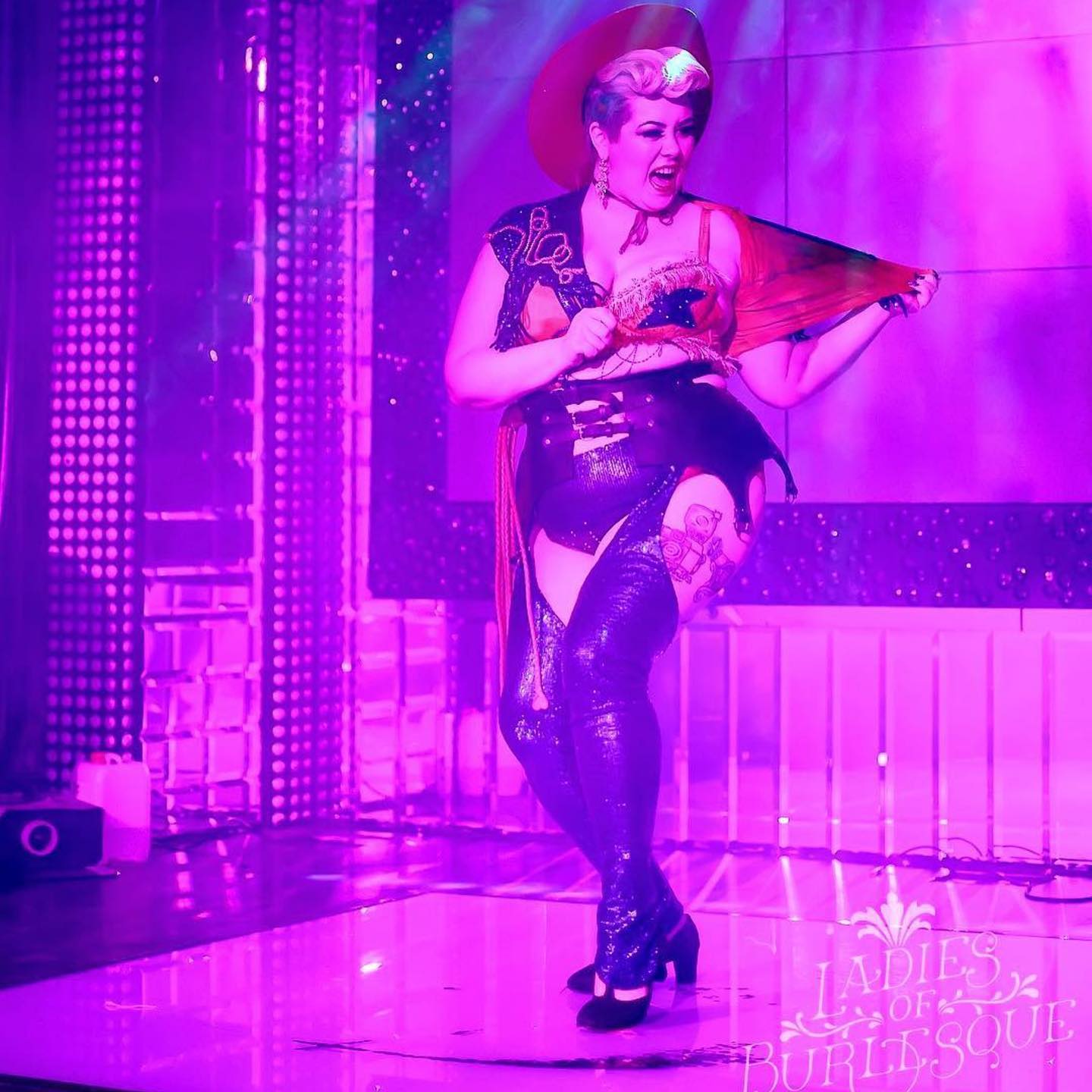
Neo-burlesque has become a body-positive, inclusive and feminist genre. People of any gender, nationality, weight and age now perform in it.
For anyone who always wanted to be on stage, to express their sexuality openly on their own terms and to come up with their own acts and personas, neo-burlesque has been a real discovery.
There is no objectification in it, because the woman's body is not the centre of the show, and undressing is just a plot device that lets the performer change personas and tease the audience.
Burlesque is first and foremost entertainment, a performance, both for the audience and for the performer herself.
Interestingly, these days even more women than men go to burlesque shows, because they recognise themselves, their own figures and dreams in what the performers bring to life on stage.