The balance of relaxation and tension
A healthy body is one that can balance between relaxation and tension. A body therapist explains how to learn this balance.
The balance of relaxation and tension
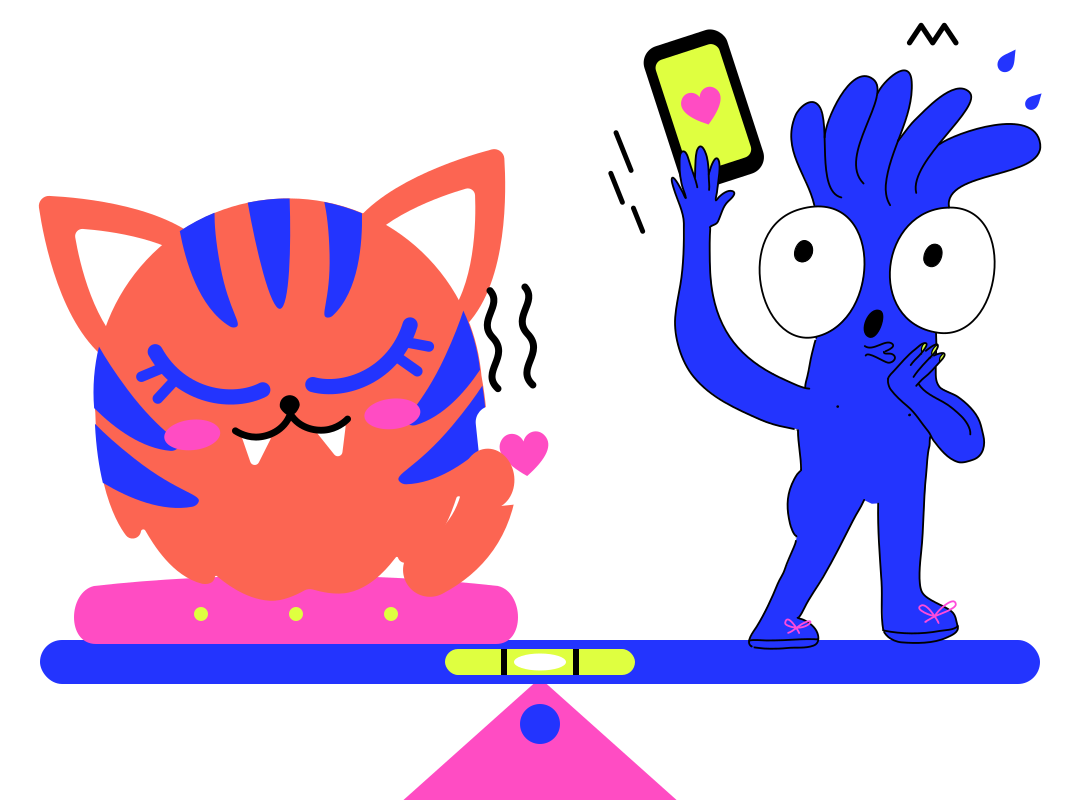
A healthy body is one that can balance between relaxation and tension.
A body therapist explains how to learn this balance.
A healthy body is one that can balance between relaxation and tension.
Relaxation is a state in which life doesn't stop — quite the opposite
It's a state in which you can make decisions, function at work and spend time with friends.
Perhaps if relaxation became a synonym for calm, it would be easier to understand and apply in everyday life. And it's exactly this state that helps us avoid impulsive actions and instead get in sync with our true desires.
Tension is necessary when you need to quickly "switch on" to what's happening
In any emergency, the body pulls itself together. Thanks to this, we can step aside when we see a car approaching, catch a phone slipping out of our hands, or respond to another person's negativity when necessary.
But afterwards it's important to relax, because tension often happens not only physically but emotionally too.
Try this
1. Start noticing your background (constant) state and track how it shows up.
For example: when I'm working on several tasks at once, my shoulders tense up, my breathing gets irregular and I tire more quickly; when I'm chatting with a colleague, I lean back in my chair and relax my legs.
2. Once you've tracked this, you can work with what you've learned about yourself.
Usually the question is how to reduce tension. Try bringing your attention back to the tense areas and making them more relaxed. If you can't manage on your own, you can turn to a body-work specialist and find the cause of the tension.
3. After intense tension, help your body release it by working through the emotions that have built up: do some sport, dance or try breathing exercises.
This is also called "completing the stress-response cycle".