Sex and ceramics: the ancient Greeks and their sense of (im)propriety
An art historian, artist and ceramicist on the satyrs of Greek vase painting, some of the first humorous illustrations ever made.
Sex and ceramics: the ancient Greeks and their sense of (im)propriety
Sex and ceramics. An art historian, artist and ceramicist explains.
In this second part: the ancient Greeks' ideas about propriety. Or rather, about impropriety:)

"When I was preparing a course on ancient ceramics and choosing images for the lectures, I often thought about how much ideas of propriety, let's call them that, have changed.
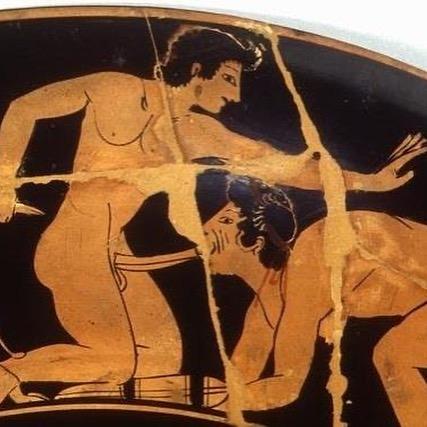
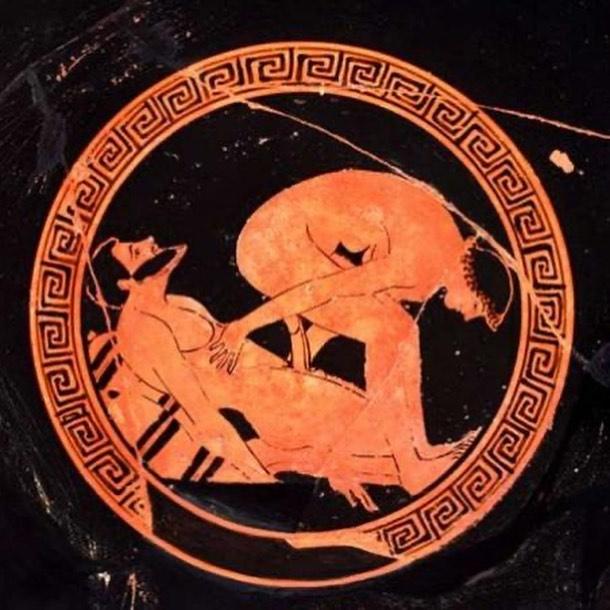
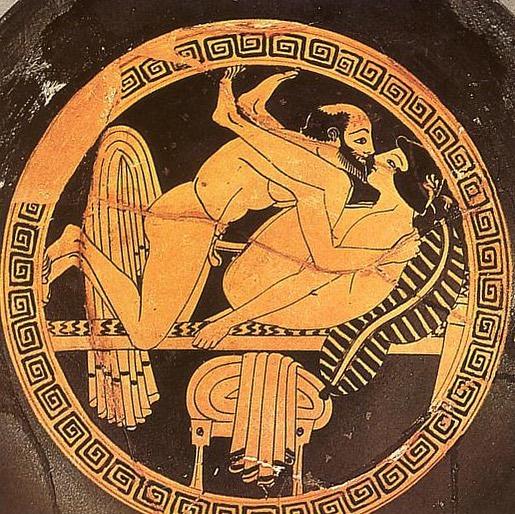
I am completely amazed by the directness with which the Greeks of the 5th–4th centuries BC depicted erotic scenes in their famous vase painting, unafraid to show real life or to fantasise and joke. You'll find plenty of photos of racy ceramics on postcards in Greek souvenir shops.
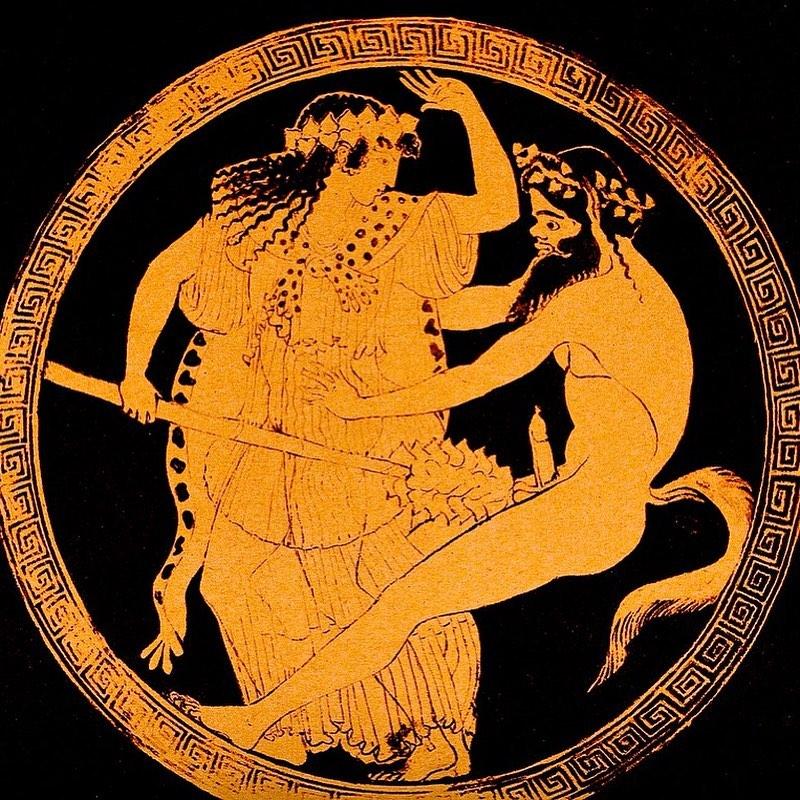
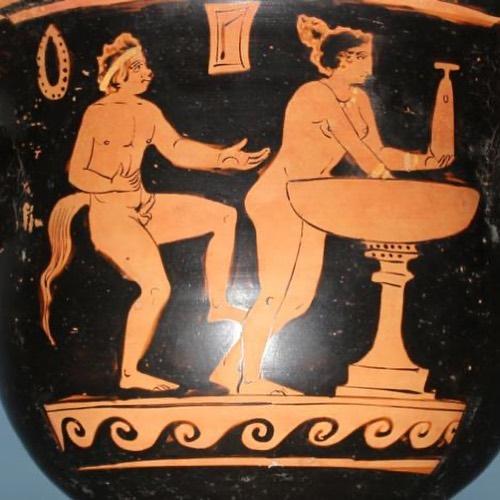
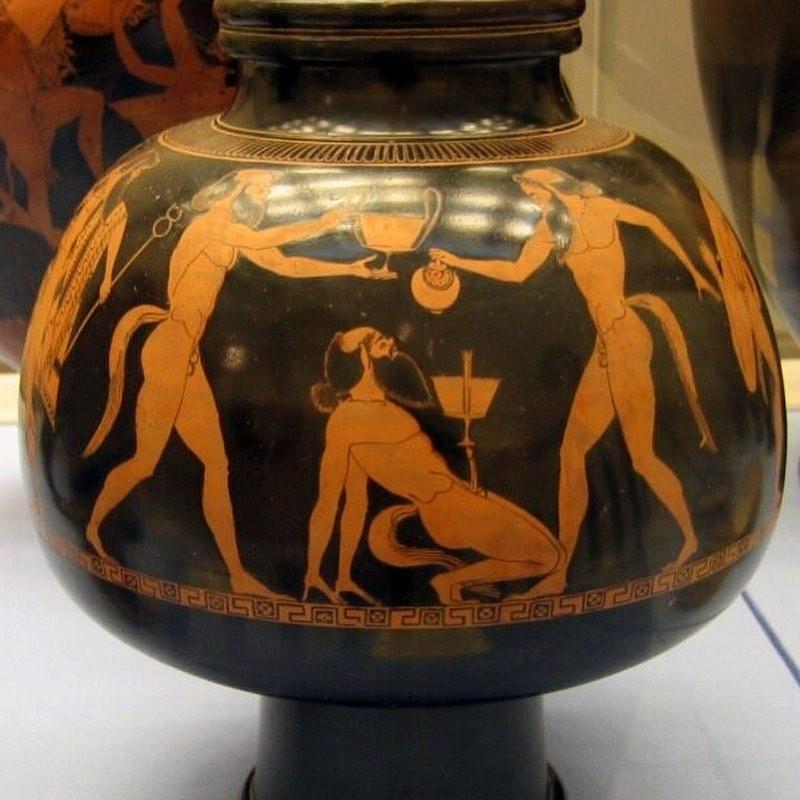
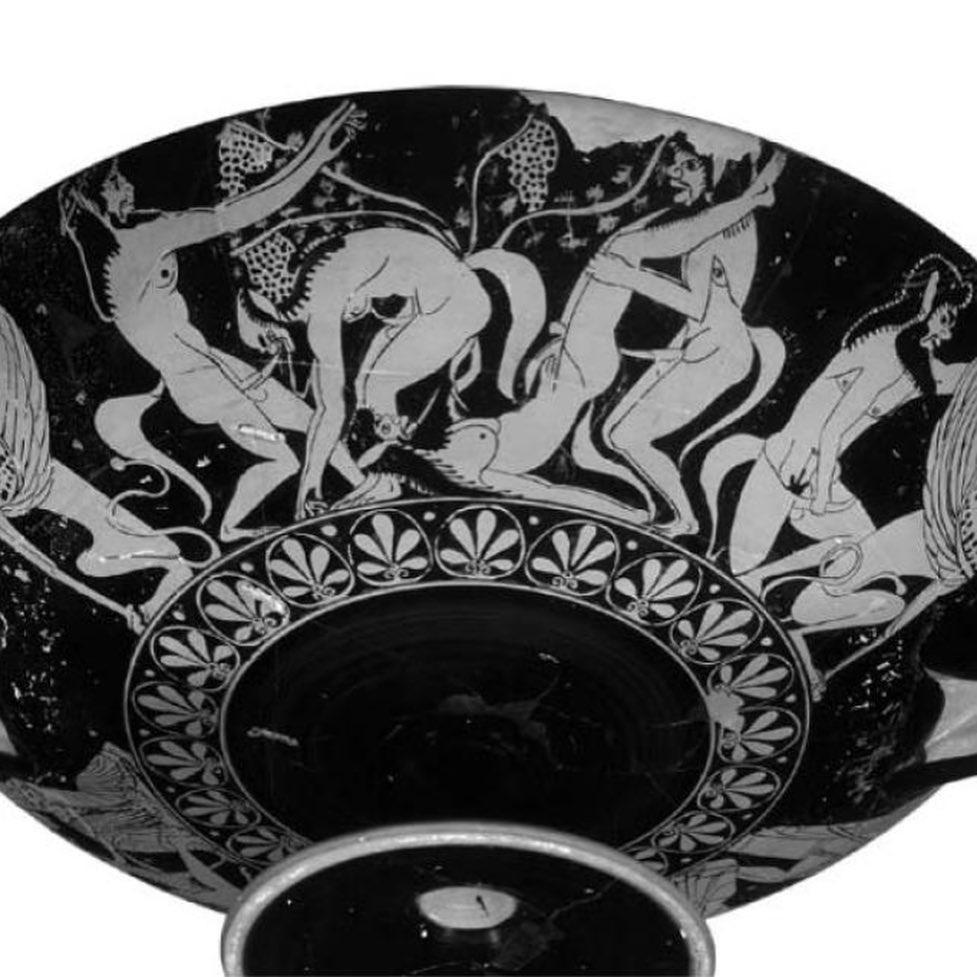
Satyrs often appear in such scenes: half-human, half-beast creatures with goat legs and little horns, horse tails and ears. These fertility demons made up the retinue of Dionysus, the god of winemaking, and so they are always excessively drunk, merry and lecherous. In vase paintings their job is to sow chaos and get up to obscenities, and these paintings are considered some of the earliest works in the genre of humorous illustration.
By the way, it's no accident that pathological sexual desire in men is still called satyriasis (Purpur: the equivalent term for women's desire is nymphomania). It is exactly this trait of the satyrs that becomes the reason to laugh.
For example, one satyr has hung the case of his aulos (a Greek flute) on his organ as if on a hook, a joke comparing the two "instruments". Another, imitating the acrobats who entertained guests at the traditional feast, the symposium, stands in an unsteady pose while balancing a kantharos, a wine-drinking cup, on the head of his erect penis. And in the scene "Satyr attempting to rape an ornamental sphinx" we see a comic fiasco: the lustful satyr on the right hasn't noticed that the sphinx isn't a participant in the action but simply a static decorative element of the ornament that closes the composition on the vessel; on the other side there's an identical one for symmetry."