Sex and ceramics
We're launching a new column, sex and art. In this first part, an art historian, artist and ceramicist talks about Palaeolithic body positivity, with a nod to The Young Pope.
Sex and ceramics

Sex and ceramics. We're launching a new column: sex and art. Today our guest is an art historian, artist and ceramicist.
This part is about Palaeolithic body positivity, with nods to The Young Pope (oh! 💦). To be continued.
"I don't deal with erotic themes on purpose, but since I study the very earliest history of ceramics, it's impossible not to run into them:)

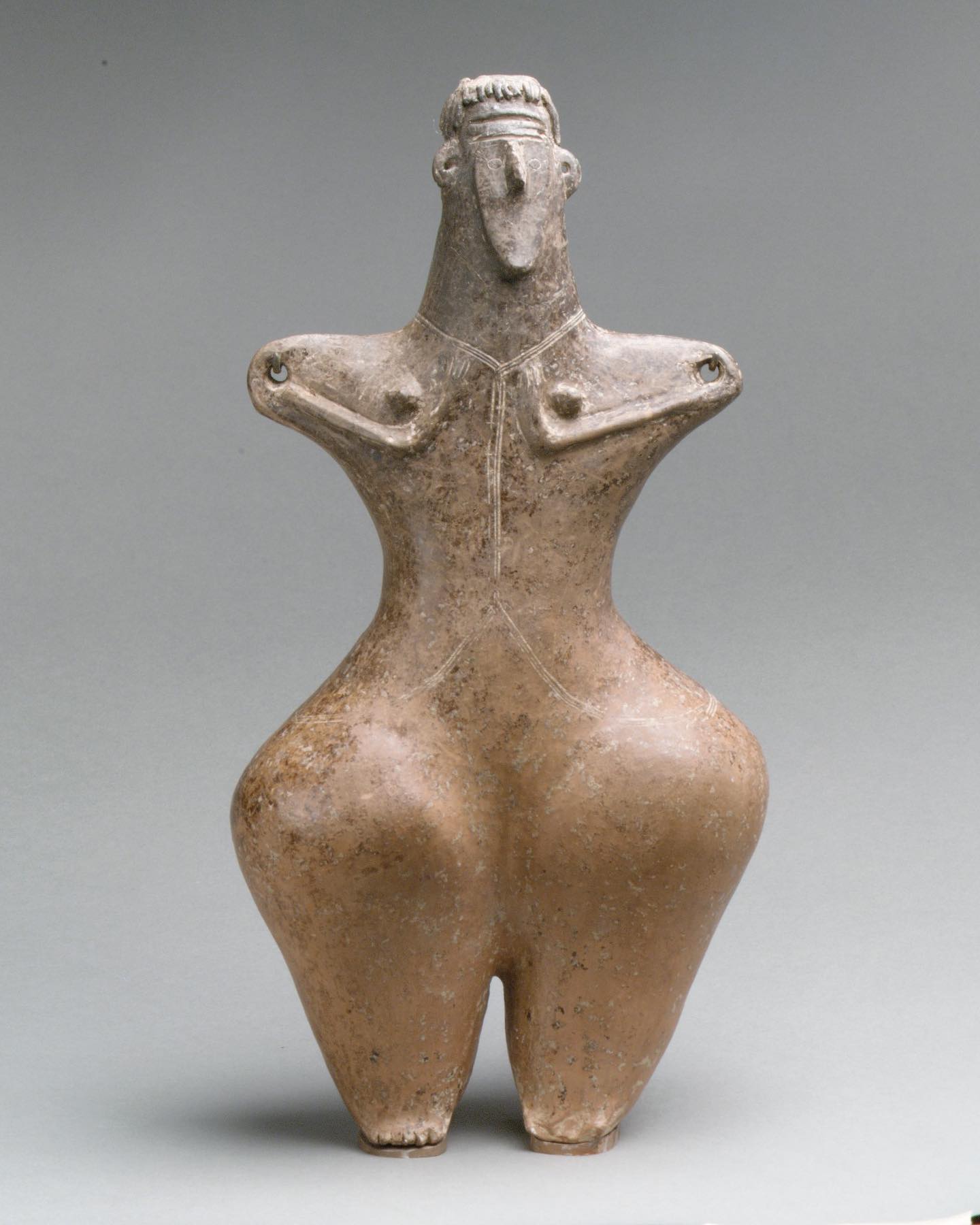
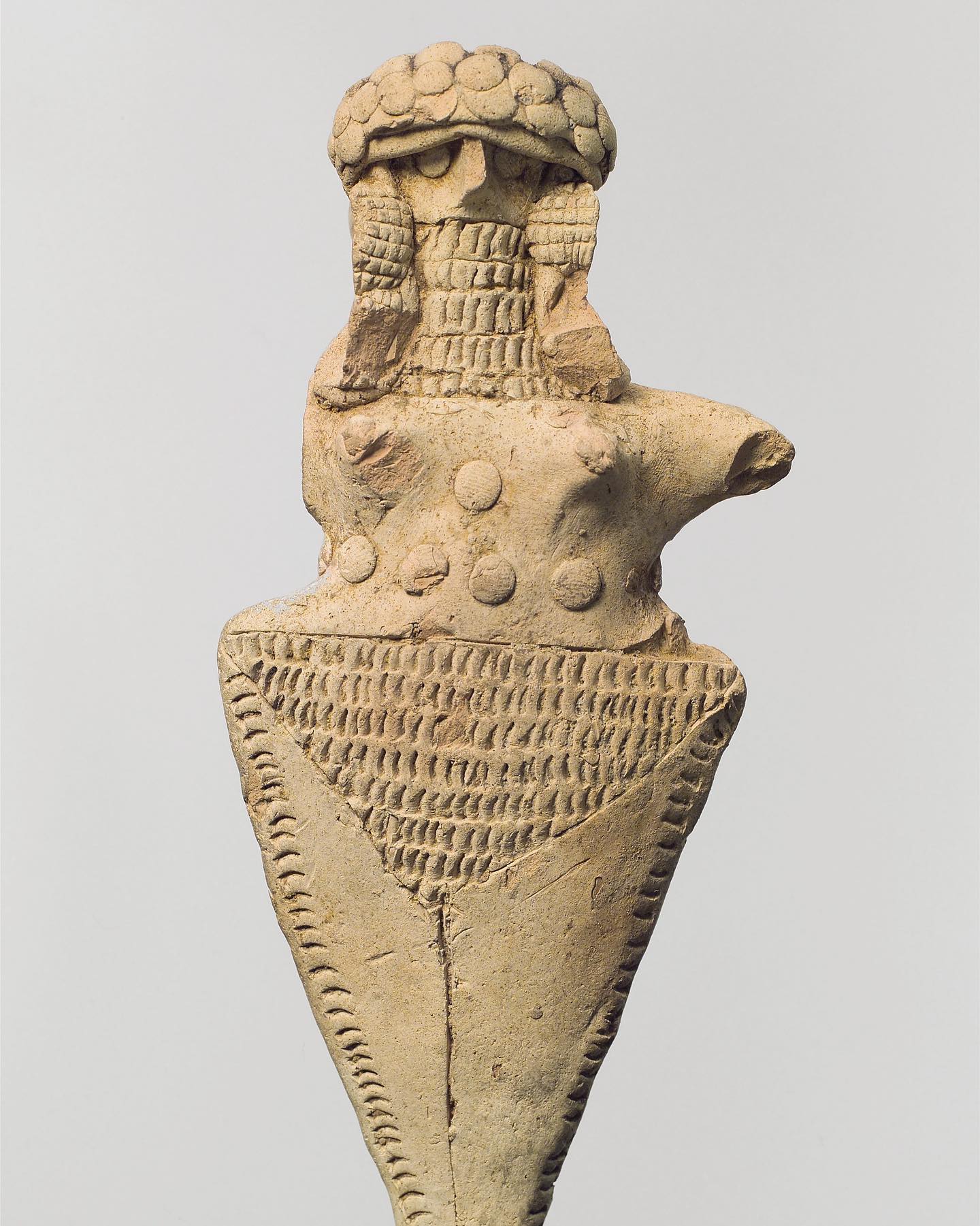
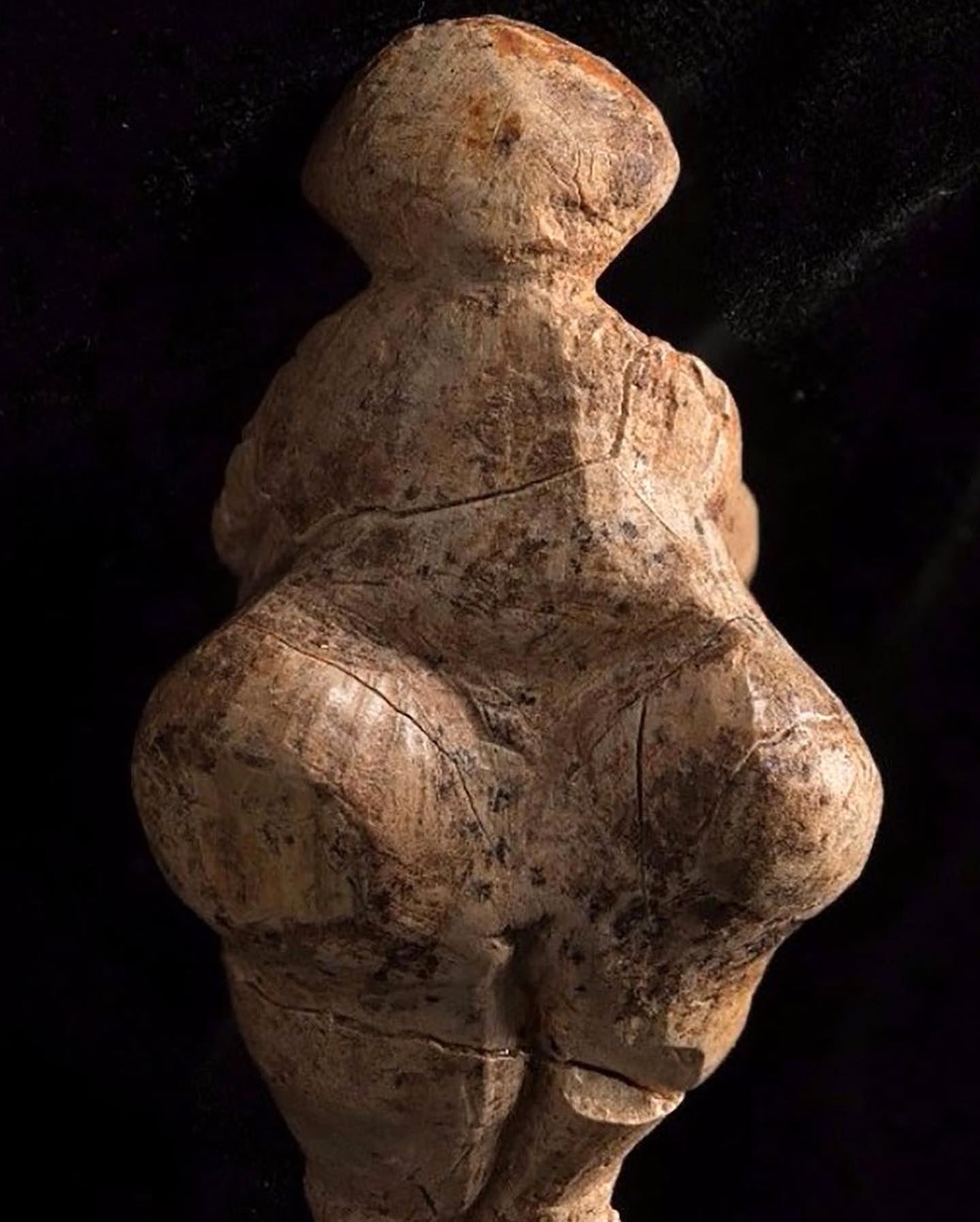
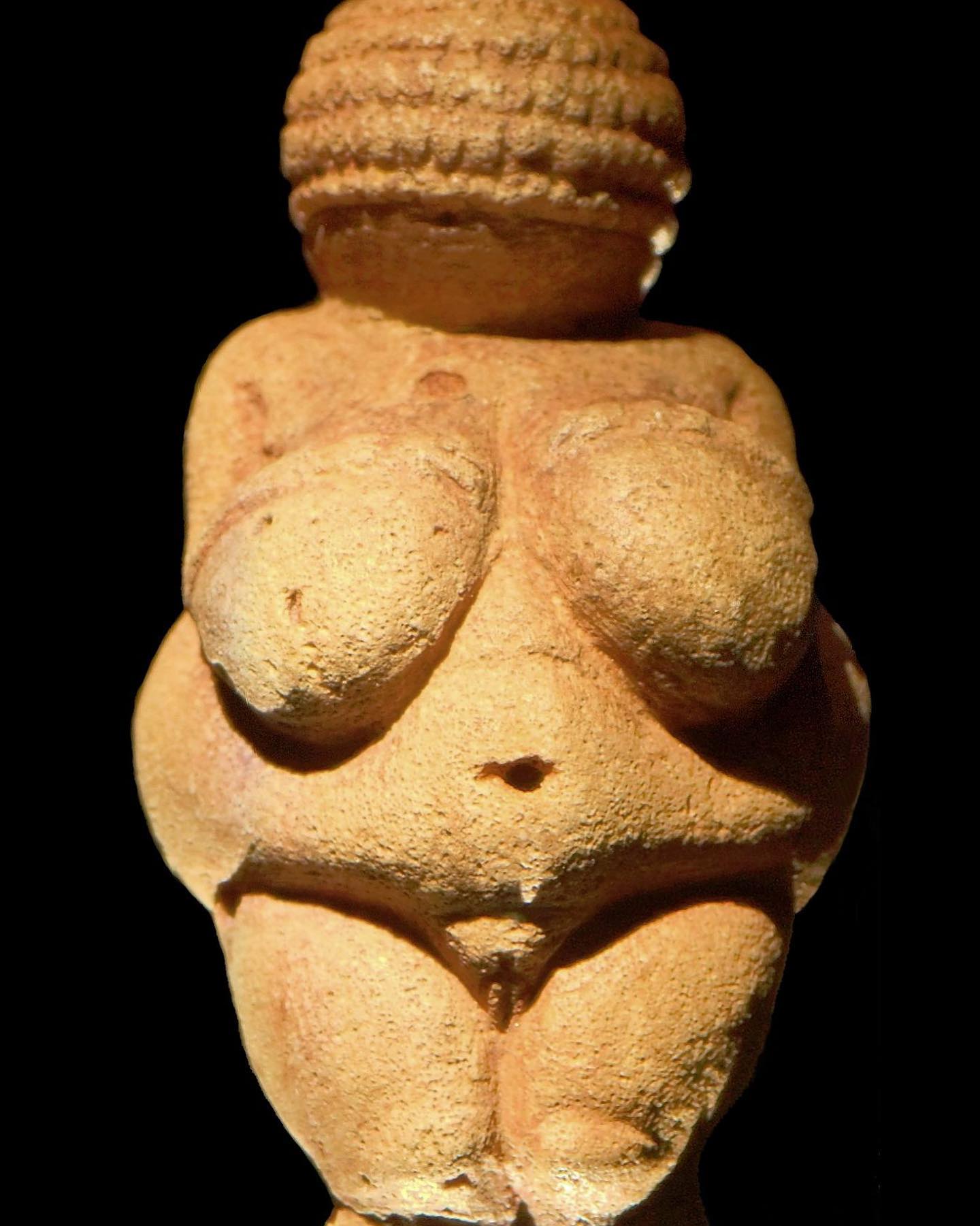
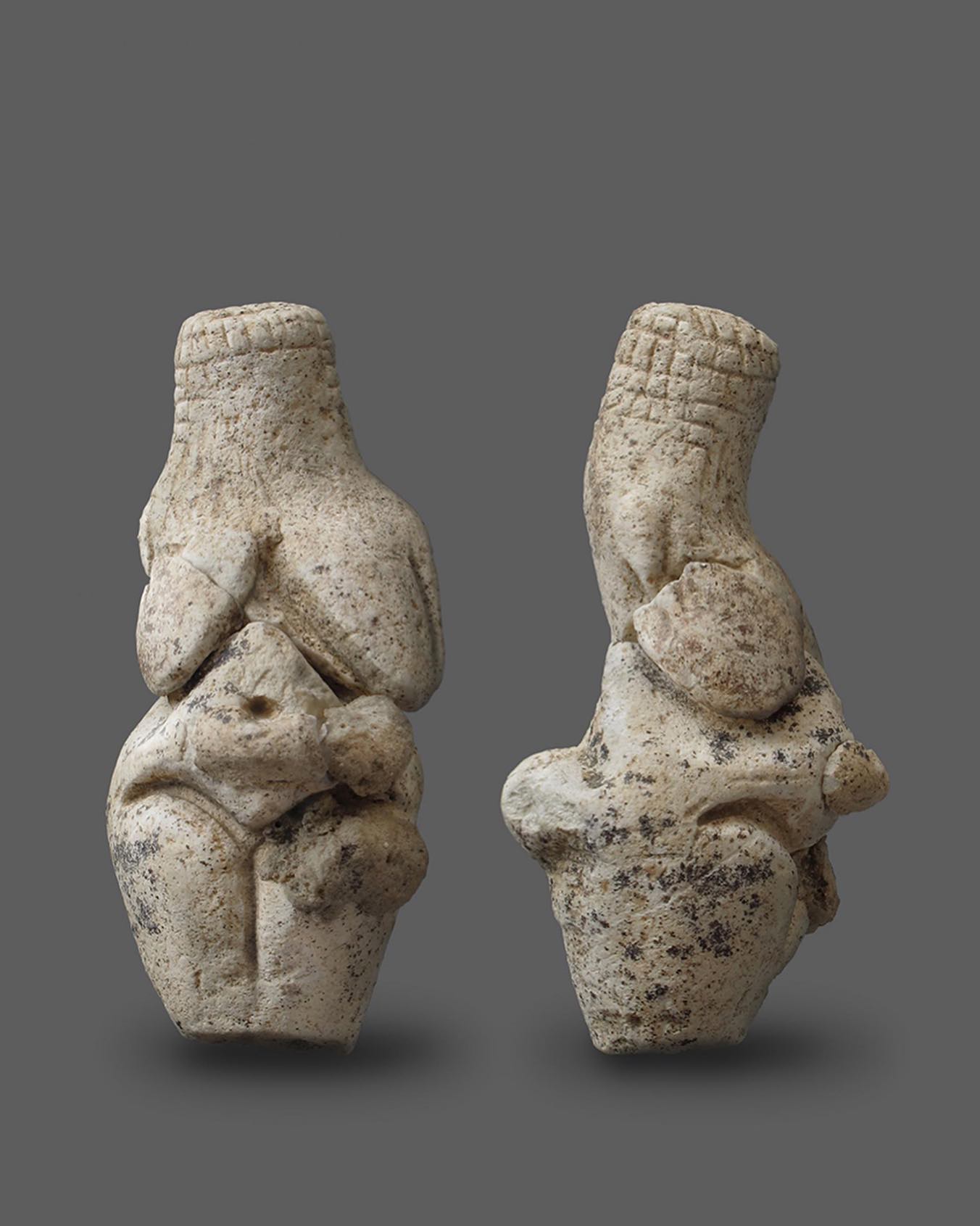
For ancient people, everything connected with fertilisation and the reproduction of life had sacred meaning. That's why "sexual" objects are often ritual objects: they were either used in rites or placed in burials. Take the "Palaeolithic Venuses", for example: figurines of women with exaggerated sexual characteristics. The phenomenon is explained precisely by the cult of a deified Mother Nature.
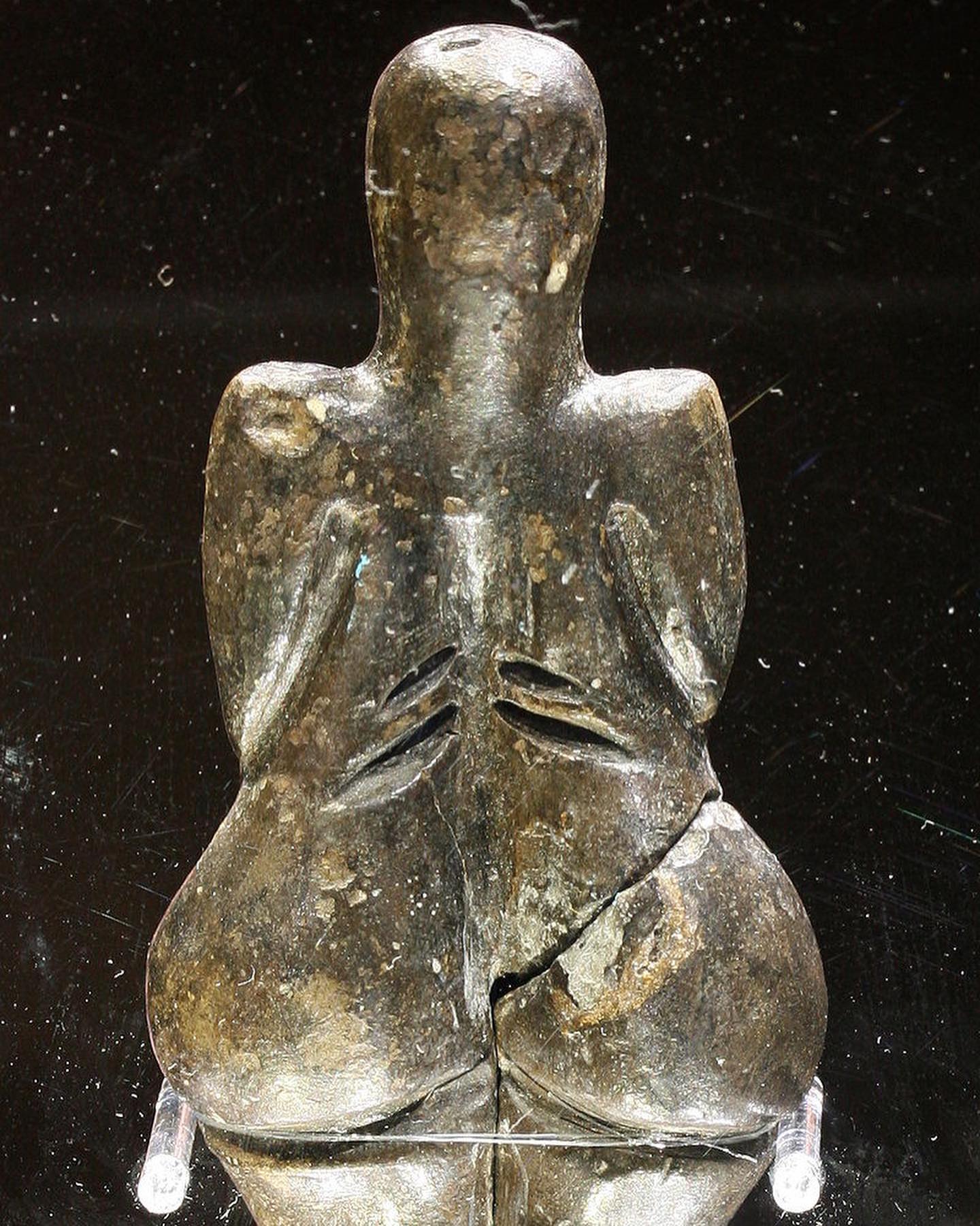
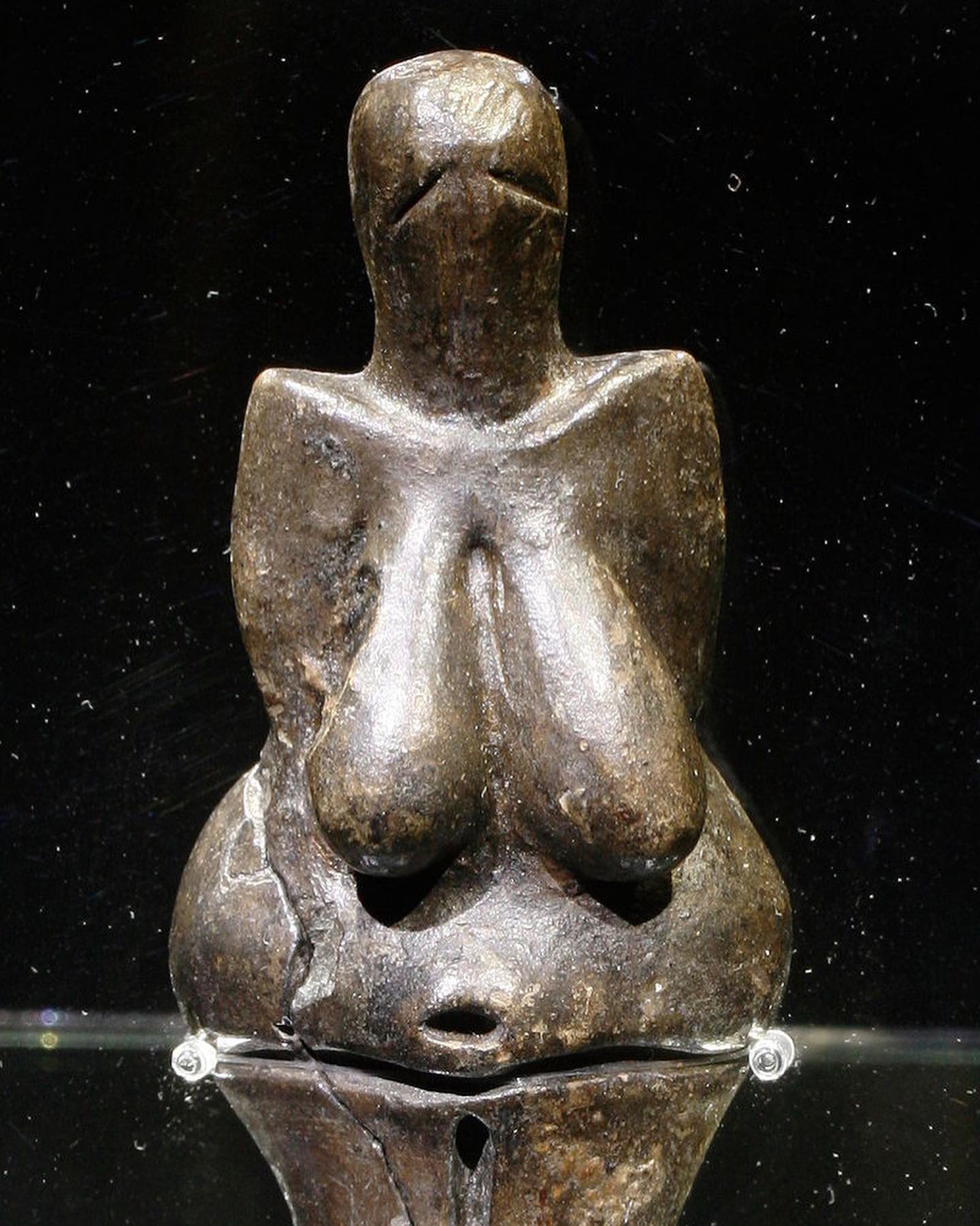
Interestingly, the oldest ceramic object known today is not some useful household item but exactly this kind of Venus, from the Czech town of Dolní Věstonice (it has been dated to more than 27,000 years old).
By the way, if you remember, in the first episode of The Young Pope the Secretary of State of the Holy See confesses to sinful thoughts about the Venus of Willendorf. It's the same type, only made of limestone. Sculptures like these were made from different materials and have been found all over the world. The details may differ, but the main recognisable features are hypertrophied breasts, belly and hips. That's Palaeolithic body positivity for you."
We know posts like this get fewer likes, but this piece is pure love. It really is time to make a Purpur mag! And yes, comments saying you find this interesting are very inspiring:)