My friends are in an unhealthy relationship. What should I do?
Sometimes we witness something we believe is wrong, and sometimes that something is a friend's relationship. A psychotherapist explains when to step in and how.
My friends are in an unhealthy relationship. What should I do?
Sometimes we witness something we believe is wrong. Sometimes our friends' relationships fall into that category.
What can you do? A psychotherapist and author of a Telegram channel answers.
Sometimes we witness something we believe is wrong. Sometimes our friends' relationships fall into that category. There are two kinds of situations.
In the first, the people in the relationship understand for themselves that things aren't really working out.
In the second, your friends think everything is fine, but from the outside it feels like it isn't.
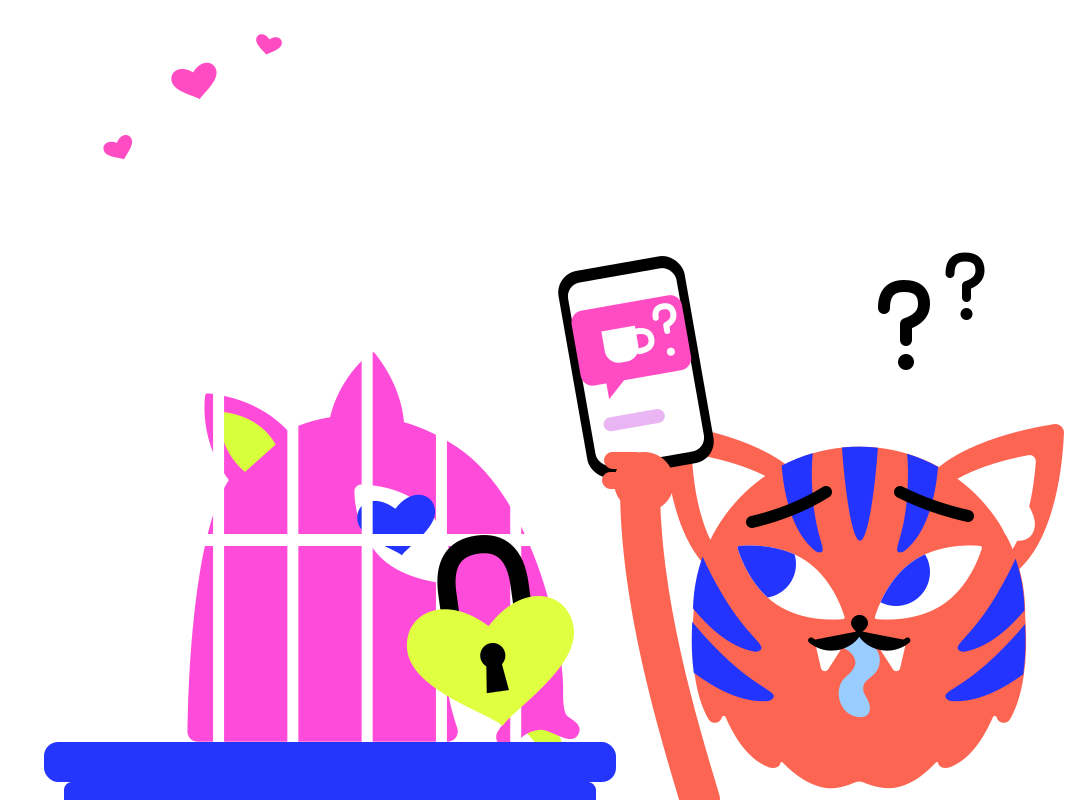
For example, a friend's partner restricts her meetings with male friends out of jealousy, and she doesn't see a problem with it (even though it's one of the signs of tight control) and finds excuses for it.
In the first situation, all you can do is support your friends and help them get through a difficult time. In the second, the question always comes up: "Should I step in?"
On the one hand, an adult can sort out their own relationship. On the other, we know that from the inside you can't always see the whole picture.
What is an "unhealthy relationship" anyway?
That's what we can call a relationship that harms the personality of one or more partners. Unhealthy relationships often involve control, a pronounced hierarchy, and emotional and/or physical abuse.
You can decide not to do anything
if you feel you don't know what kind of help to offer, or that it would be inappropriate. That's okay, and you're not obliged to do it.
You can keep supporting your friend in specific unpleasant situations.
If you do decide to step in and look out for your friend, you can start with gentle questions about how they're feeling and how things are going in the relationship. This will help you understand how the person sees the situation and whether they're happy with everything.
If the person shares their concerns, you can support them and share your own observations: "Yeah, you know, I've noticed something similar from the outside too."
If you do decide to look out for your friend, you can start with gentle questions about how they're feeling and how things are going in the relationship. This will help you understand how the person sees the situation and whether they're happy with everything.
If the person shares their concerns, you can support them and share your own observations: "Yeah, you know, I've noticed something similar from the outside too."
After that, it's about support and helping them think through what to do next.
If the person doesn't voice any concerns, you can still gently share your observations: "You know, I might be wrong, but lately you've been telling me that he/she [does something inappropriate]. Are you comfortable with that?"
What happens next depends on your friend's reaction. If it's negative and the person isn't ready to talk about it or disagrees, don't push to continue the conversation.