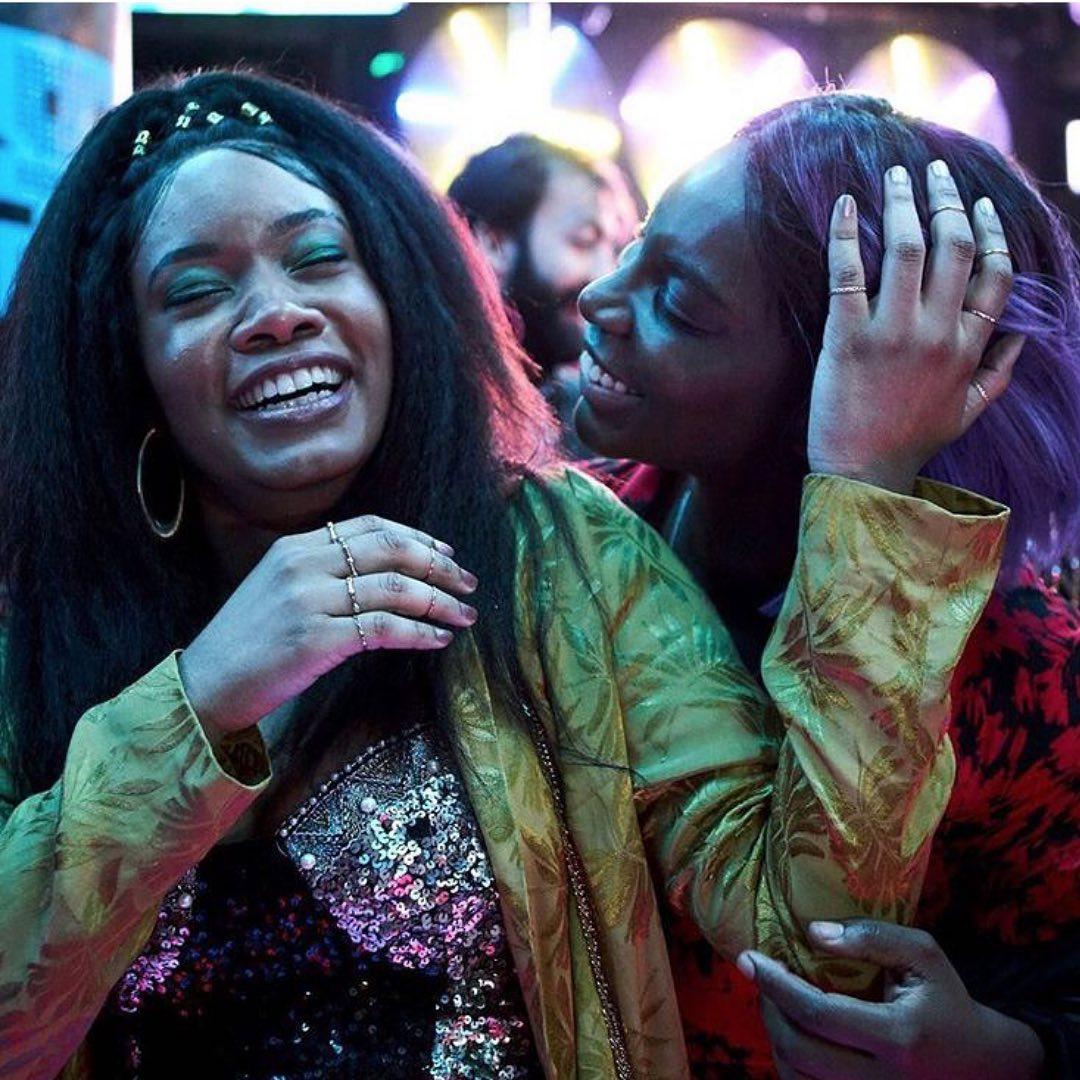
I May Destroy You: a series about everything
Our podcast lead on the most important series of the year, a story about rape, boundaries, trauma and how people live through it.
I May Destroy You: a series about everything


"The series asks a lot of relevant questions about sex and communication in general."
Our podcast lead is here, and the good news is that she watches series too. You'll agree that's a better fit for a Purpur Friday:)
"This time I'm going to tell you about the most important series of the year, I May Destroy You. I actually heard about it on my favourite mumblecore podcast.
I May Destroy You is a story about rape, boundaries, recognising and living through trauma, social media and being in the public eye, and how differently people experience and see things. As its creator Michaela Coel herself says, it's a series about everything."

I May Destroy You
It's not a comfortable story, but it's a very important one. All the characters, including the protagonist Arabella, are ambiguous (just like in real life, right?): they make mistakes, cross boundaries and often behave like real assholes, and you, the viewer, are left unsure how to feel about them.
Michaela Coel is a 32-year-old British woman of Ghanaian descent. The story is inspired by her own experience: a few years ago, someone spiked her drink at a club, and she was then raped. She not only wrote and directed the series but also played the lead role of Arabella. That is, of course, a whole new level of living through such an experience, and it stuns you and doesn't let go for all 12 episodes.
The series asks a lot of relevant questions about sex and communication in general. What counts as violence? Sometimes you only realise what happened later on.
But despite how serious the main theme is, the series has plenty of humour (just like life, right?), great music (there's a five-hour playlist on Spotify), Easter eggs (why and when does the poster fall? And what's on it?) and stunning typography.
By the way, pay attention to the opening titles. Why do you think the word "you" gets erased in the I May Destroy You title? Who is speaking, and to whom?
How can a story about rape end? The way Michaela did it is simply incredible, and I'd like you to see it for yourselves.
Special thanks to Michaela for what may be the most honest and sensible sex scene during a period in the entire history of cinema.