Burlesque, boylesque and support: a talk with a performer
A burlesque performer on how he ended up on stage, where his love of costumes began, how friends react and why the audience matters most.
Burlesque, boylesque and support: a talk with a performer
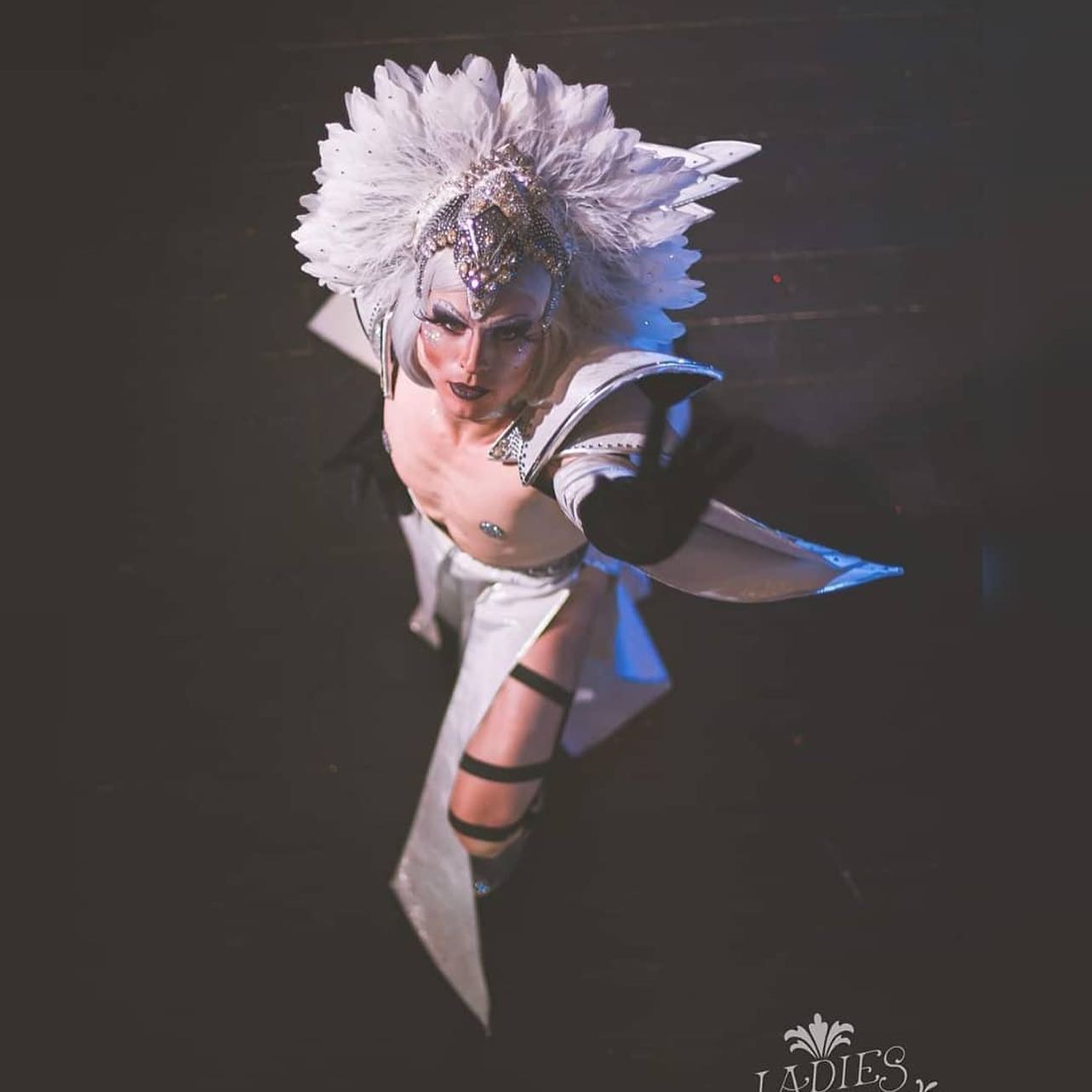
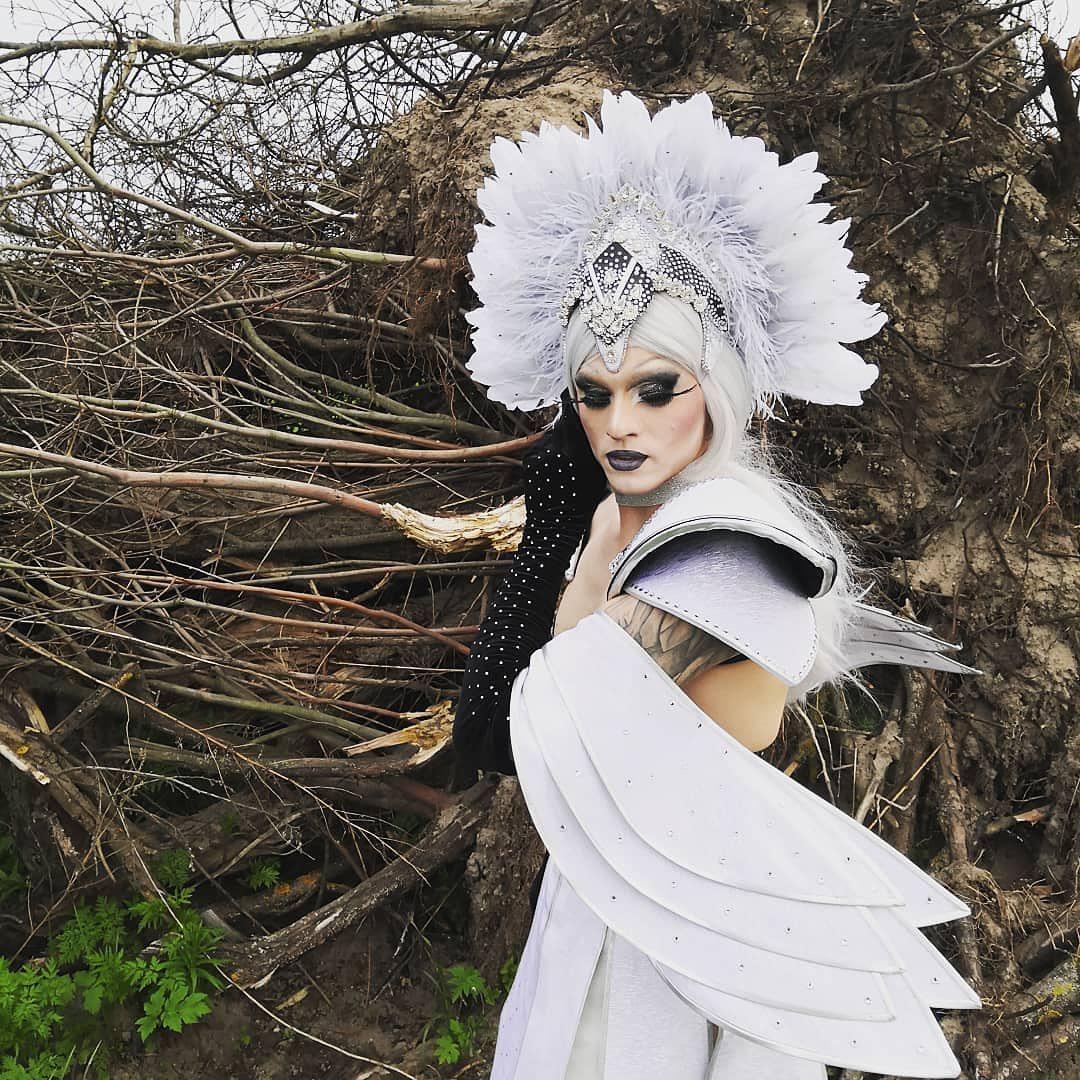
Burlesque is a kind of dance, show and performance with very beautiful costumes and elements of eroticism and teasing. It's usually a women's dance, but we met a performer who dances burlesque, and does it (we've seen it) divinely.
We had a chat and are sharing it with you.
Purpur: You dance burlesque. How did that happen? Why burlesque/boylesque in particular?

Performer: It happened almost by chance. I didn't plan it, it just turned out that way. One day I came to a burlesque show, and that was it. I stayed. On the suggestion of two other producers, one of the producers simply told me I was performing at the next show. And I'm not being dramatic: if it hadn't happened that way, I would never have joined the show on my own, because I'm naturally shy. I'm grateful to them for seeing the potential and the desire in me; I guess that's what makes good producers. After an invitation like that, my main goal was not to let them down and to approach the performance with full responsibility. After all, that show is perhaps the most refined in the country. It's a certain level, and I was very nervous performing the first time. And, to be honest, I'm still nervous every time.
Purpur: How did you come to drag in the first place? Were you always interested in dressing up and wearing makeup?
Performer: It all started back in kindergarten, when I first saw a girl in a little fox costume. I was about 5, like her, but I remember perfectly how much I wanted to be in her costume. Then at school there were my first attempts to do my makeup as a kitty, and I started mastering a higher level of makeup much later on, after I came to boylesque, which became an idea for me and a way to unlock my creative potential. Developing on the burlesque stage here is harder than in Europe: with our level of fees and salaries, it's not easy to invest in expensive costumes. If you want to perform burlesque, be ready to spend your salary.
Purpur: And it's hard not to ask about how friends and strangers react :)
Performer: 100% of my friends know, and they're all extremely positive about it. They come to the shows and support me. My family too. My parents don't know, though. I can't bring myself to tell them, but I don't think it's super important. What matters is comfort.
Purpur: Which burlesque and drag performers do you like? Are there any scenes or performances you'd love to get to?
Performer: I'd love to get to European and American burlesque festivals. I also have favourites on the local drag scene: they're mega-professional drag artists who work at the best venues in the country. I admire their delivery, and with some of them I've already done photo collabs or have some planned.
In closing, there's one thought I really want to get across to the community. Support is very important for artists and genres to grow. And that's not only filling the halls at performances, it's also support through reposts and telling friends and acquaintances about events. Believe me, we do all of this to make the world more beautiful and to give you pleasant memories. I think that's what sets a professional approach apart from a hobby. In a hobby you want to express yourself; at a professional level, beyond self-realisation, you want to give the audience goosebumps. And it's the audience that plays the most important role in the growth not even of a particular artist, but of the genre. It's the audience that makes new numbers and new looks possible! Everything is connected.
That's why my biggest thanks go to the audience, for the emotions, the support and the desire to keep creating!