Sex and ceramics: the erotic vessels of the Moche
An artist and ceramicist on the Moche "sex pots" of ancient Peru, and why most of them show anal sex.
Sex and ceramics: the erotic vessels of the Moche

Sex and ceramics, by an artist and ceramicist.
Let's pretend this is the last difficult read before the weekend. Read, enjoy.
This part is about anal sex. We have nothing more to add.
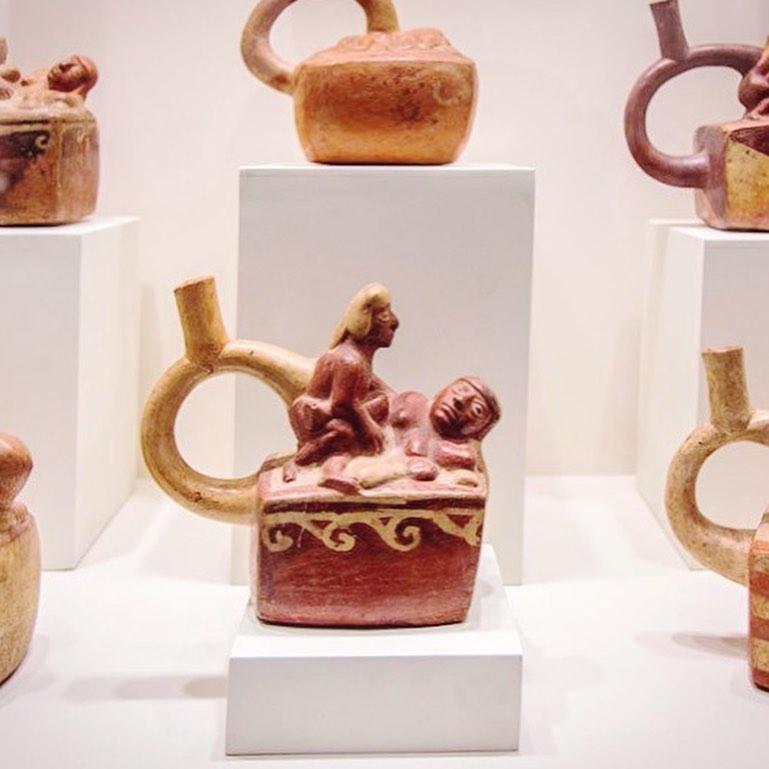
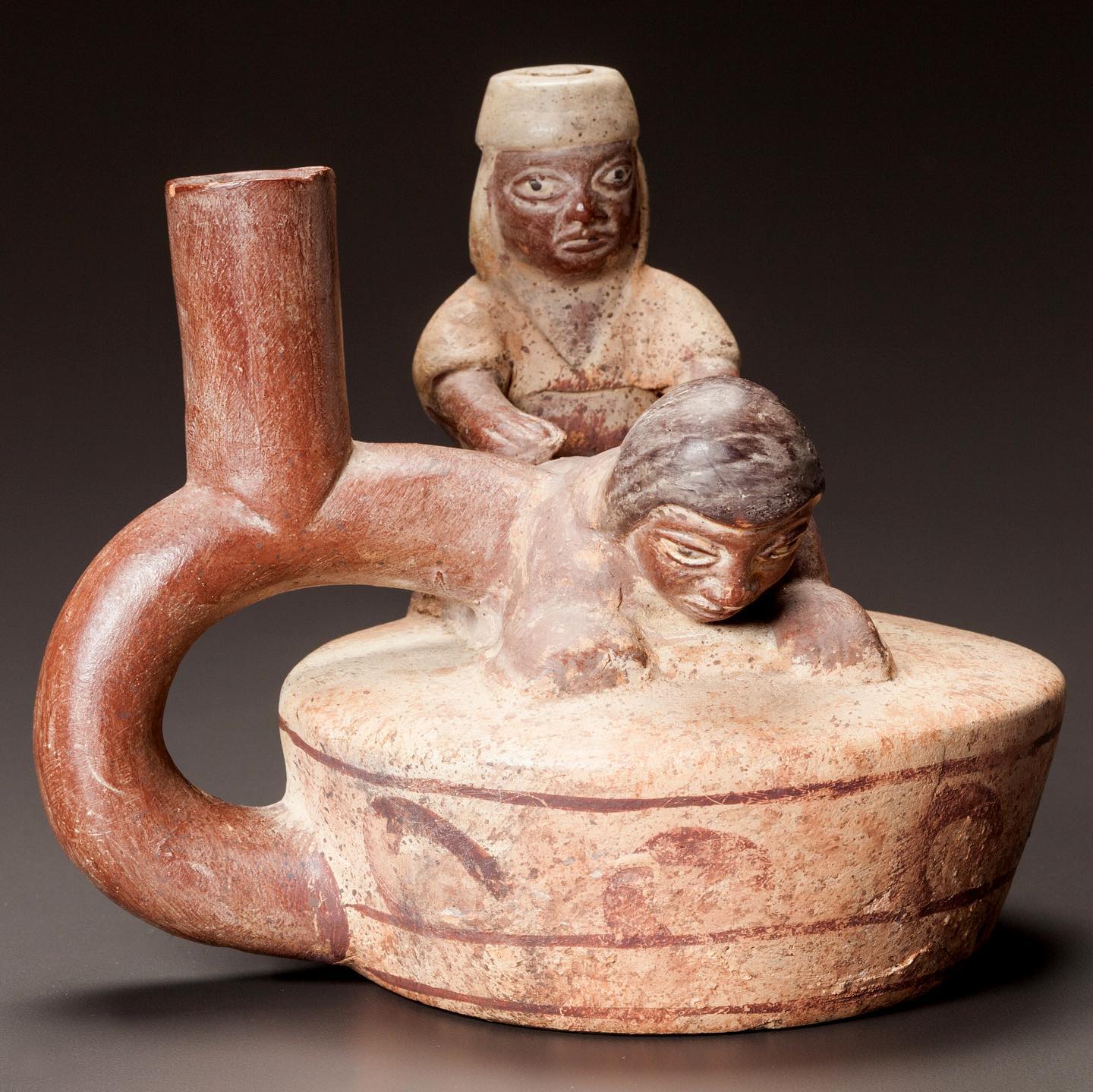
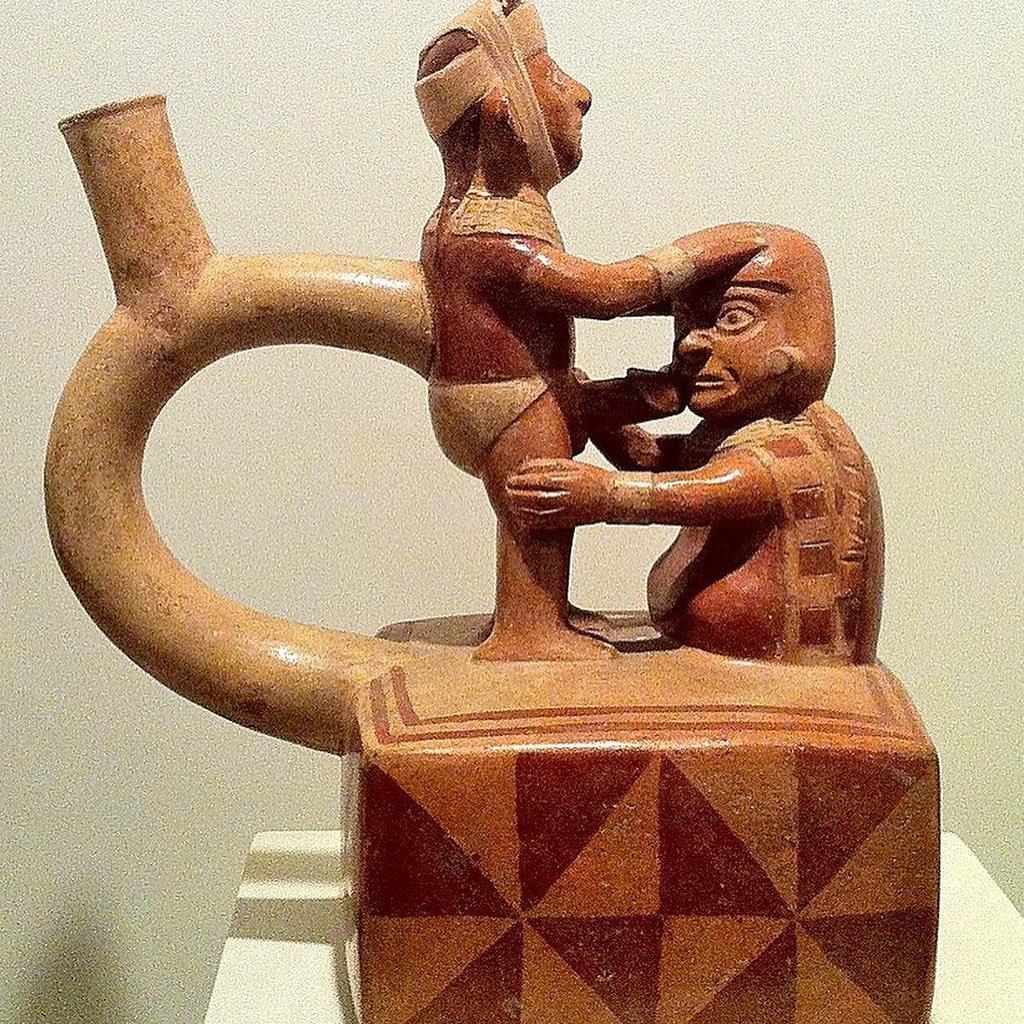
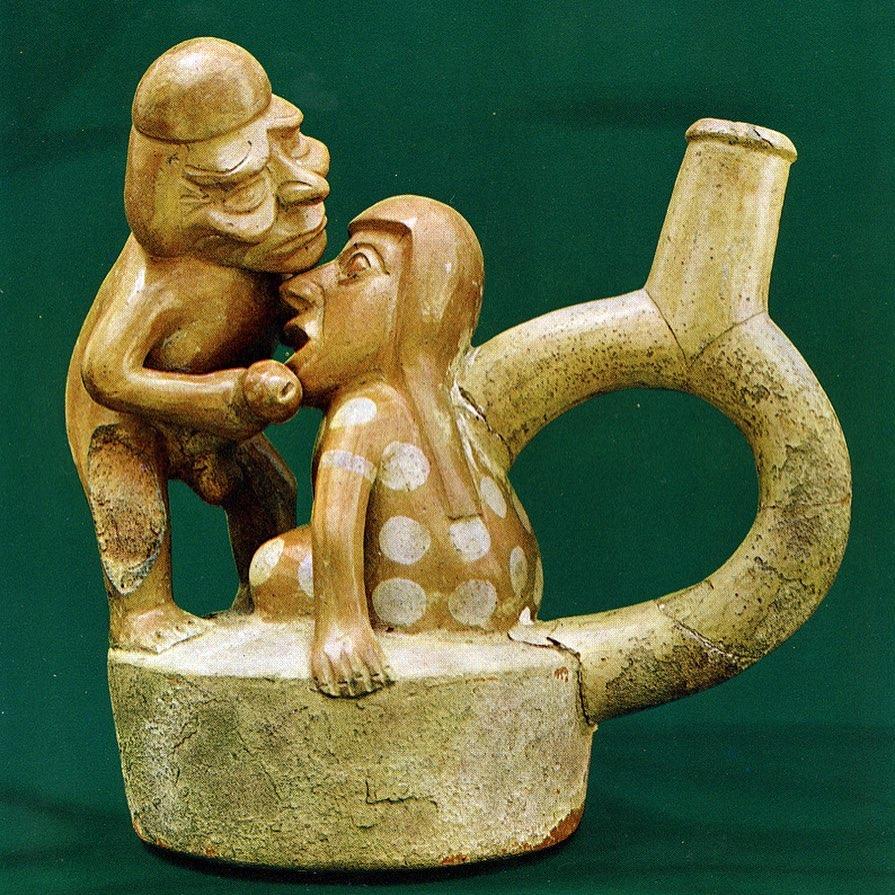
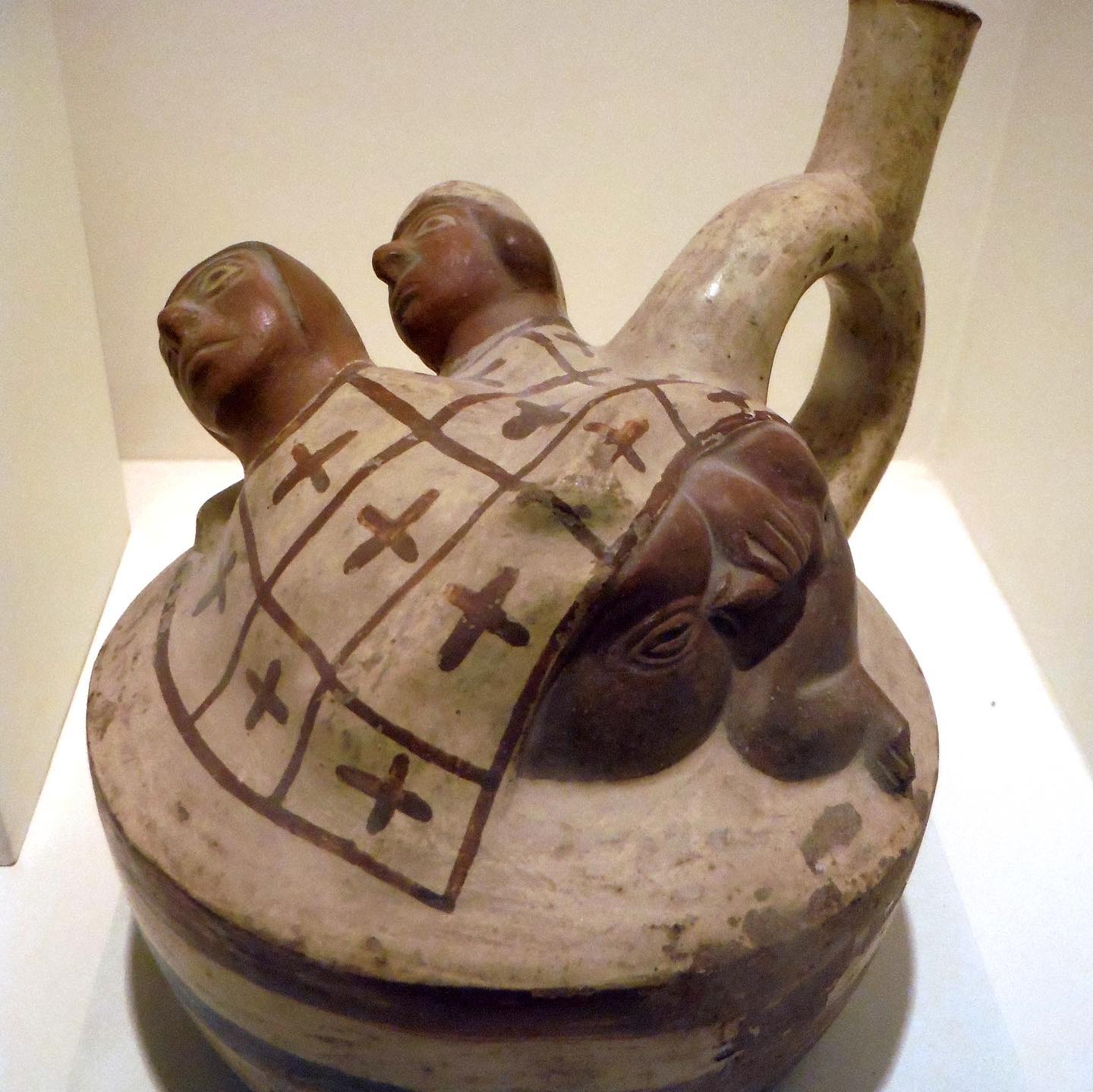
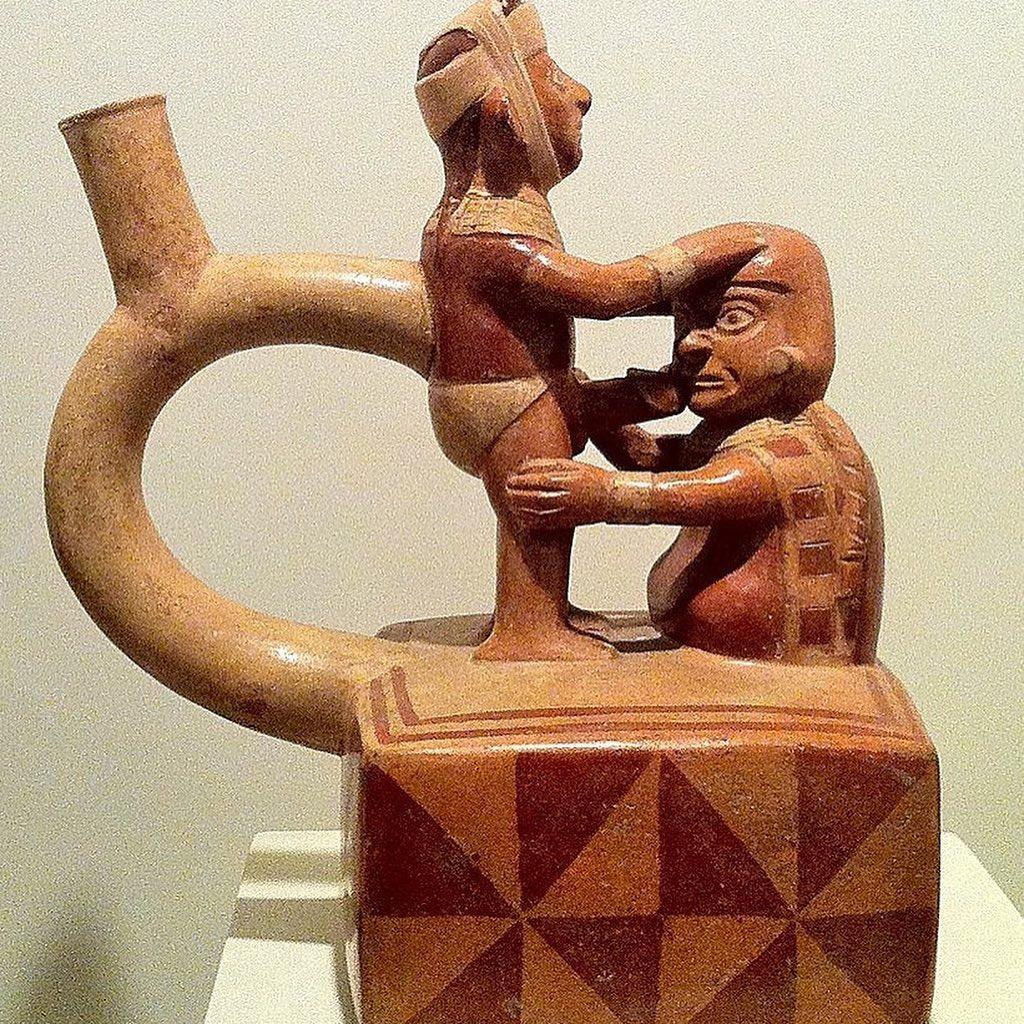
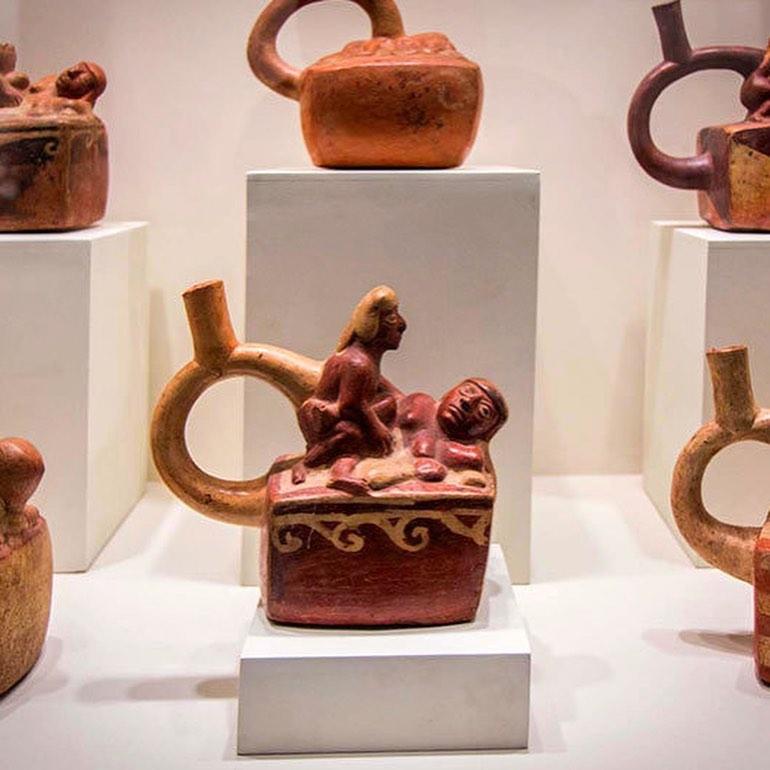
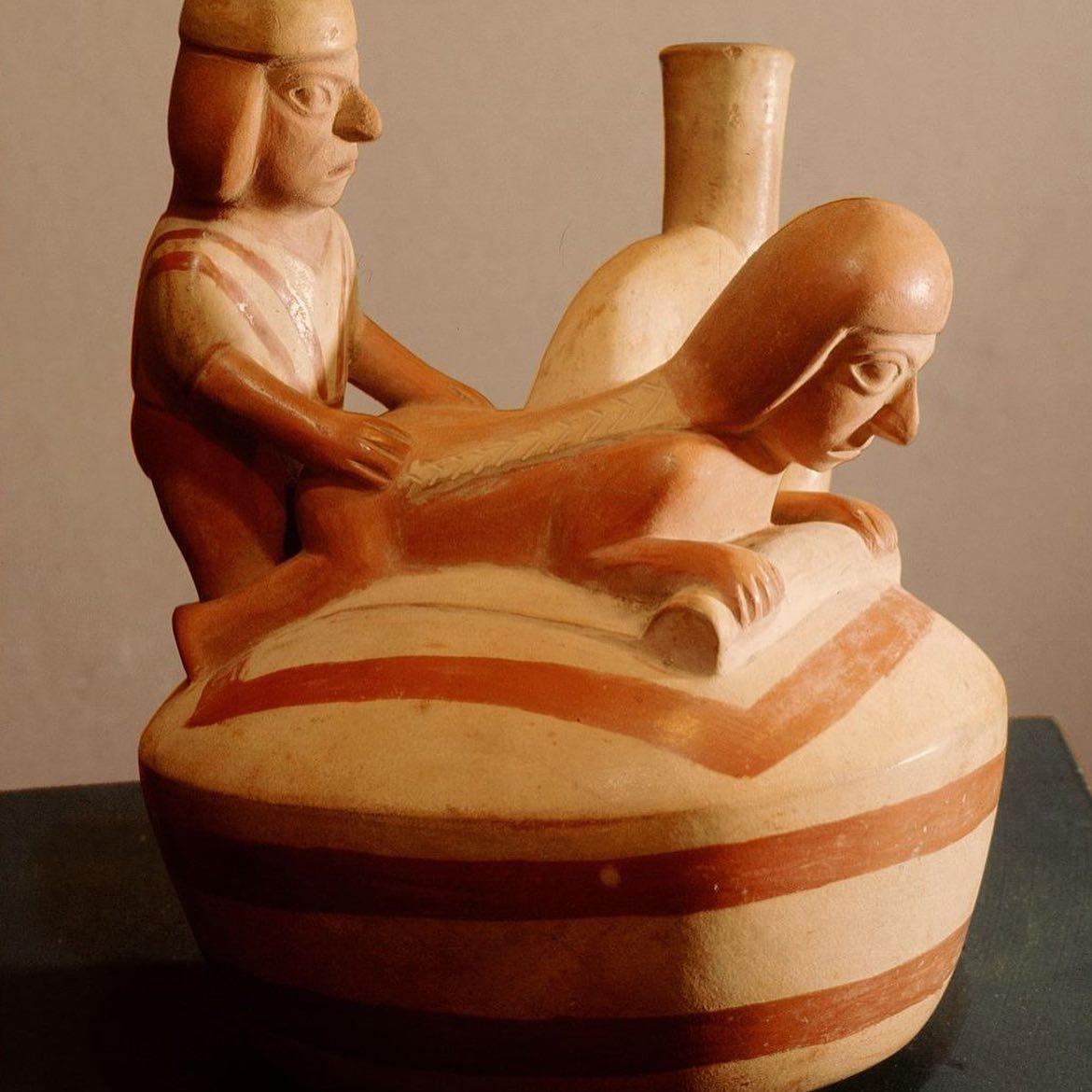
"Another bold episode in the history of ceramics that can't be skipped: the vessels of the Moche culture from Peru, 2nd–6th centuries. At least 500 of those that have survived are connected with sex.
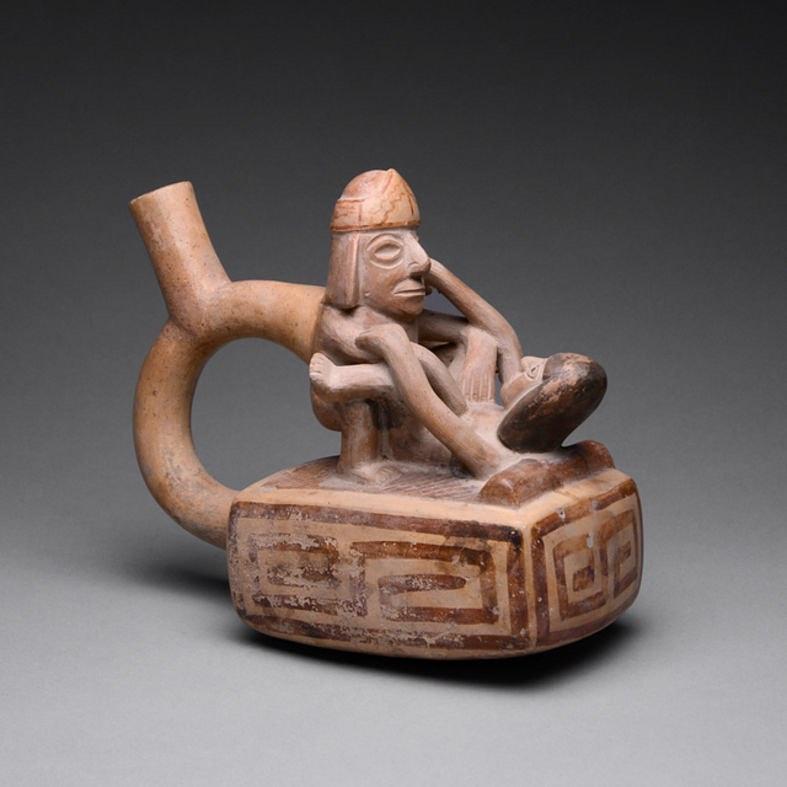
The classic Moche sex pot is a functional vessel for liquid, with a stirrup-shaped handle and a pouring spout coming out of it, in which phallic associations can already be seen. But the most interesting part is the sculpted body of the vessel. It depicts couples, masturbation (even with skeletons), oral sex and animals mating.
At the same time, 80% of all the erotic ceramics are scenes of anal sex between a man and a woman. There's no doubt about it: the genitals are shown in maximum detail. The participants' faces are indifferent, expressing neither pain nor pleasure, but judging by the poses, the story is not about violence after all, although the idea that it visualizes male dominance has been put forward.
For a long time it was also believed to be a method of birth control. But then why are there such sex pots in burials? There were suggestions that they were a kind of portrait of those buried in the tomb. But they are found even in children's graves.
The newest theory is connected with the cult of the dead and the belief that at a certain time of year they rise again, and all life processes turn upside down.
During this period only anal sex may have been permitted, in order to 'fulfil the requirements' of the life cycle and put everything back in its place.
Such an approach to the subject is especially surprising given the taboo on anal sex in most cultures.
The Spanish conquerors zealously smashed the indecent vessels in a fit of offended Christian feelings. But some have survived and are scattered across museums around the world. The largest collection is at the Museo Rafael Larco Hoyle in Lima, in case you feel inspired."
Thanks to the artist:)
First published · English edition