Parasocial relationships
Illusory closeness or the real thing? A psychoanalytic psychologist explains the phenomenon of parasocial relationships.
Parasocial relationships
Illusory closeness or real closeness? These past weeks have made us rethink what matters.
A psychoanalytic psychologist explains the phenomenon of parasocial relationships. And after reading it, you'll want to hug real people.
What are parasocial relationships?
It's a type of one-sided relationship in which a person develops an illusory closeness with a media personality, who may not even know anything about that person.
The phenomenon of parasocial relationships was introduced in 1956 by Donald Horton and Richard Wohl. Today, the illusion of closeness and trusting communication can serve as sales tools.
Then vs now
In the past, a typical example of this kind of relationship was an obsessive infatuation with a celebrity, bordering on madness.
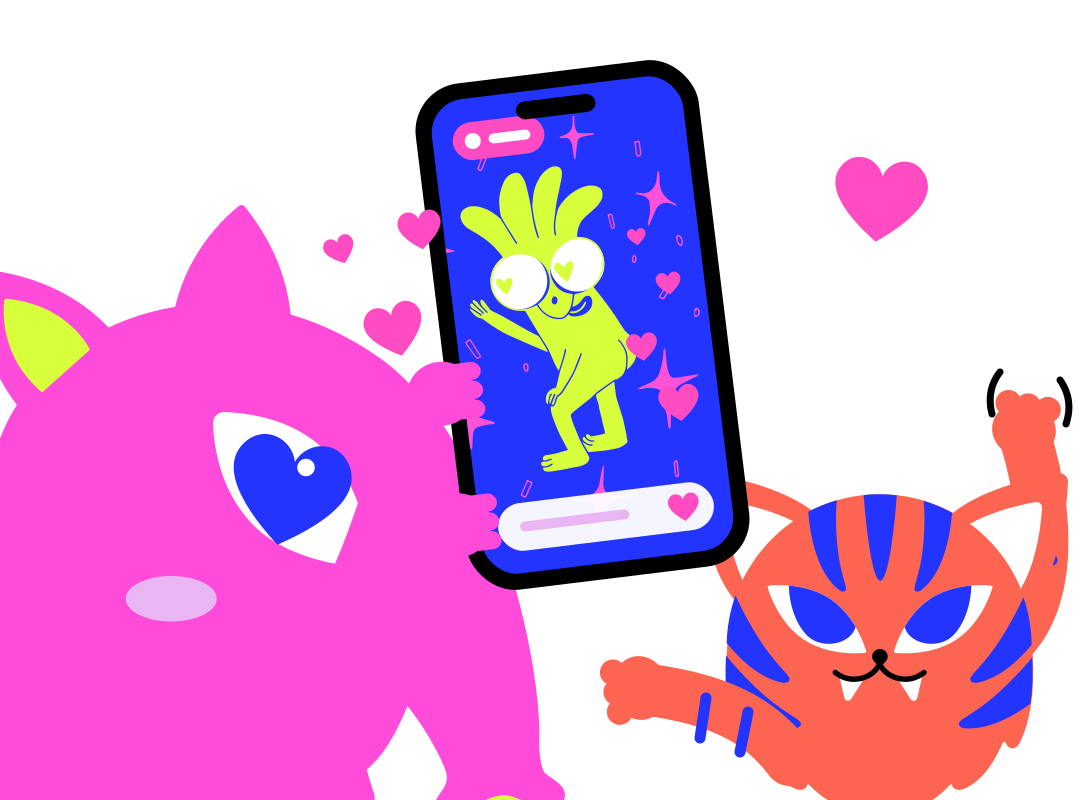
Today, bloggers are the same kind of celebrity, and they themselves initiate live interaction with their audience. A follower is sure they know what the blogger loves, what their life is about and how they live, what worries them, who they're dating and sleeping with, what problems they're dealing with. A sense of emotional closeness with the person arises: "You haven't posted stories in a while, is something wrong?"
This feeling of closeness gets fed: answers to questions in the question box, likes on comments, replies in DMs.
Illusory closeness
Parasocial relationships give a sense of much-needed closeness with a person, and yet it's a safe form of closeness, controlled by one side.
The person decides for themselves when this relationship ends, and for what reason. Ever seen comments like "Didn't expect this from you. Unfollowing"? That's it. The friendship is over.
So what lies behind such unmet expectations?
A constructed image that each follower creates individually.
What's the problem with parasocial relationships?
This kind of communication doesn't develop. Real closeness never comes — the person always remains one of a million followers.
More and more information about this personality piles up, but unlike what happens in real life, the relationship doesn't get any deeper.
Energy and resources get spent — just as in live communication, you start to feel that you can read the person's emotions and state, that you know them better than others do.
If you've recognized yourself in a parasocial relationship, it's worth thinking about:
Why isn't this energy going to the people close to you?
What needs are you unable to fulfill in your life, and what's getting in the way?
And the other way round: what need does this kind of connection with a person meet?