No orgasm
Absence of orgasm is not a pathology in itself. We look at the types of anorgasmia, why it happens, what to ask yourself and which specialist can help.
With Natalya Parkhomenko, clinical psychologist and consulting sexologist
No orgasm
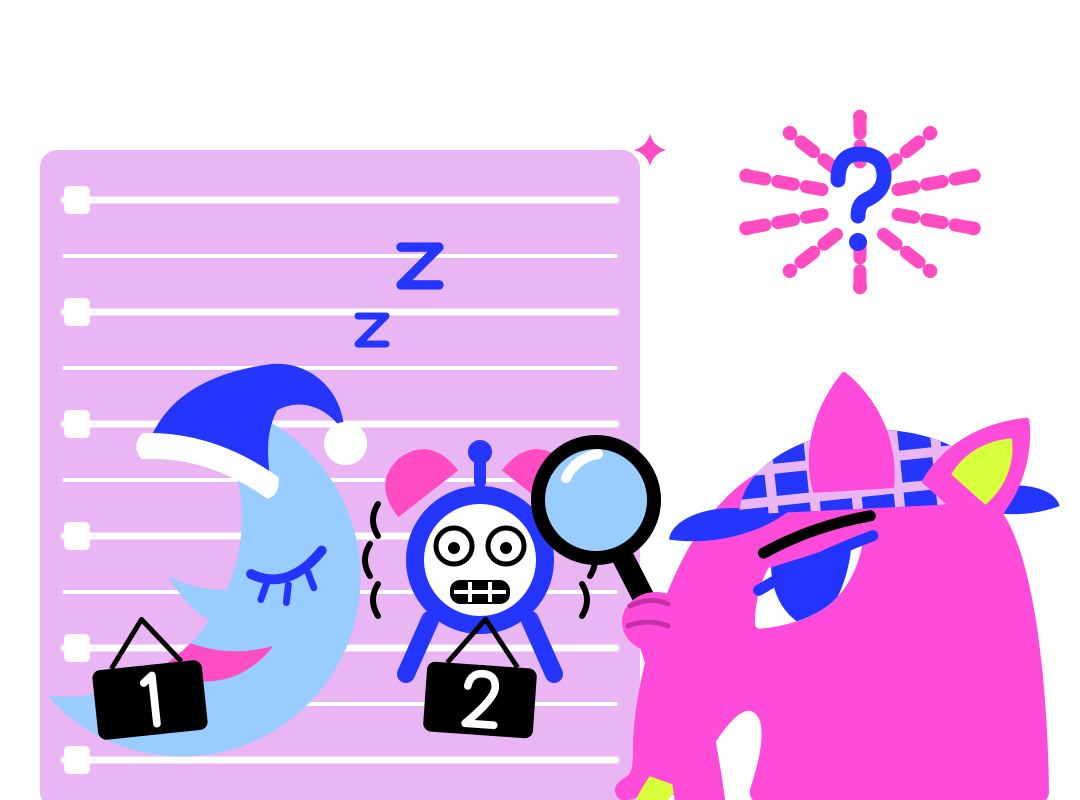
Purpur detective. Case: absence of orgasm. There are many suspects.
We're looking into it together with a clinical psychologist and sexologist-consultant.
Absence of orgasm (anorgasmia) is not a pathology in itself. Everyone has run into it at least once in their life.
We are all super different, and our bodies are different. And our sexuality is dynamic and changeable.
A bit of theory
Anorgasmia can be:
1. Primary: there has *never* been an orgasm
2. Secondary: there used to be orgasms, but at some point they *disappeared*
3. Situational: *one-off* episodes of no orgasm
Why is there no orgasm?
1. Physiology
Aftereffects of surgery and illness; hormonal fluctuations; menopause; injury (*for example, a spinal injury*)
2. Psycho-emotional state
Stress, fatigue, overexertion and difficulty relaxing; violence and traumatic experiences; difficulties communicating with a partner; depression
3. Taking various medications
*For example, SSRI antidepressants in particular, and some kinds of narcotic substances*
My orgasm has disappeared. What should I do?
To start with, answer a few questions for yourself:
Has anything changed in my lifestyle recently?
Have there been injuries / surgeries / stress / pregnancy / starting new medication?
Is there no orgasm only during sex with a partner? What about during masturbation?
How do *I* myself feel about not having an orgasm? (*Perhaps this change only upsets your partner, and you're fine with everything.*)
Once you've answered these questions, you'll better understand how to help yourself.
Perhaps you need to give yourself time, change your surroundings and rest. Or talk with your partner about what you'd like to change in your sex life. Or explore your changed sensitivity (*toys, masturbation, new sexual practices*).
Or else seek help from specialists.
Psychologist-sexologist or sex therapist
Help with the psychological side of your condition and recommendations for self-exploration. Unlike a doctor, they don't prescribe treatment.
Medical sexologist
More about physiology and function. Examination and diagnostics, prescribing medication (for inflammatory conditions, for example).
Your attending doctor
An explanation of how the medications you're taking work, and adjusting the dosage if necessary.
Not having an orgasm doesn't make you "wrong" or "broken".
You're not the only one who faces this. As with any other difficulty, share your worries with people close to you, ask for support, and seek help if you need it.
And keep exploring your body and your sexuality.
First published · English edition