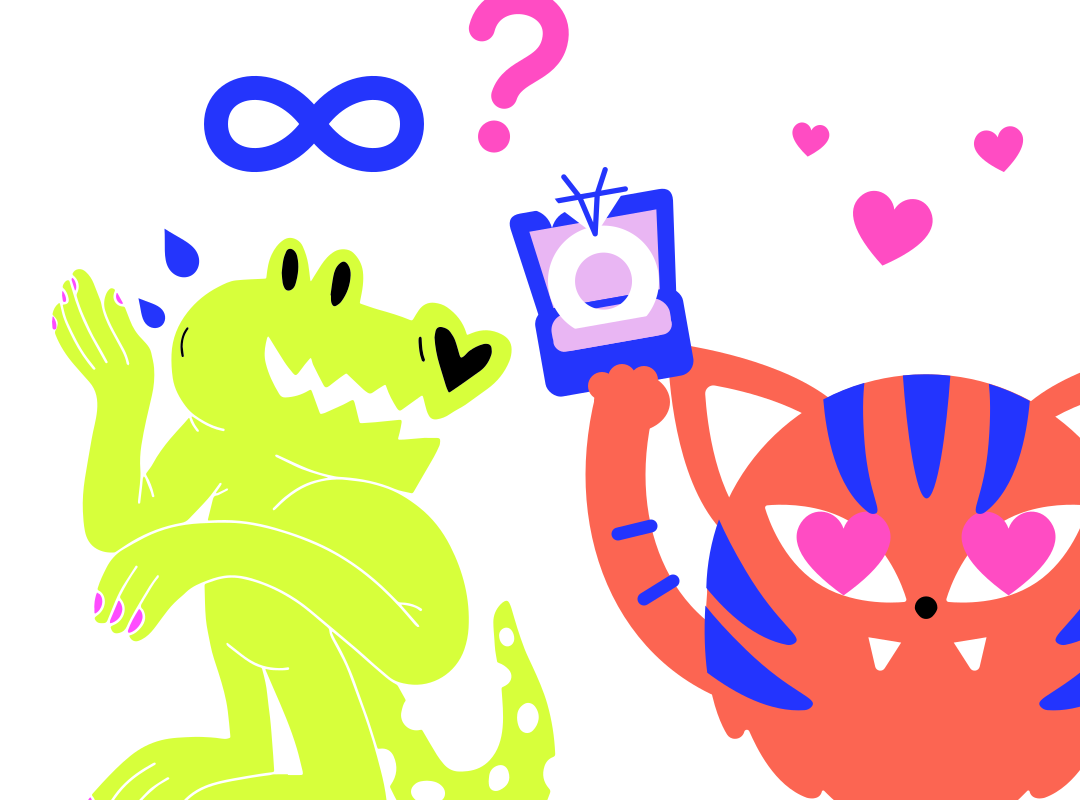
Is my relationship okay?
Beyond the general criteria of a healthy relationship, there is also each couple's own version of what "healthy" means.
With Olga Romanova, psychotherapist
Is my relationship okay?
As they say, like this if you've ever asked yourself the same question.
Let's talk about it with a psychotherapist.
In this case, the opposite of abuse is a "healthy relationship"
There are certain criteria for a healthy relationship: no violence (physical or psychological) and no manipulation, along with honesty and the ability to talk about difficulties and resolve them together.
All these criteria are undoubtedly important, but there is also the aspect of a relationship's individual "healthiness".
Things can happen inside a relationship that may not look very reasonable or healthy from the outside, yet the partnership is built in such a way that everyone feels comfortable and safe. And that means it's okay.
For example, it could be about dividing household chores "along gender lines"
For some relationships, dividing chores so that the woman takes care of the housework is a conscious and preferred choice (for various reasons), and there is no violence in it.
Meanwhile, people around them may suspect patriarchal dynamics or think the woman is trapped in this arrangement, while inside the relationship it is harmonious.
And this is a healthy relationship for this particular couple.
In this context, a woman (who is perfectly happy with everything) may worry that her relationship is unhealthy simply because the idea that this isn't okay is present in her information space.
Something similar can happen in other areas too: how conflicts are resolved or how the budget is split, for example.
Even the most progressive and useful constructs can be harmful if you treat them as something universal and follow them rigidly.
First published · English edition