I'm bad at recognizing emotions. What can I do?
A psychologist with a medical degree explains how to get better at understanding emotions, both your own and your partner's.
I'm bad at recognizing emotions. What can I do?
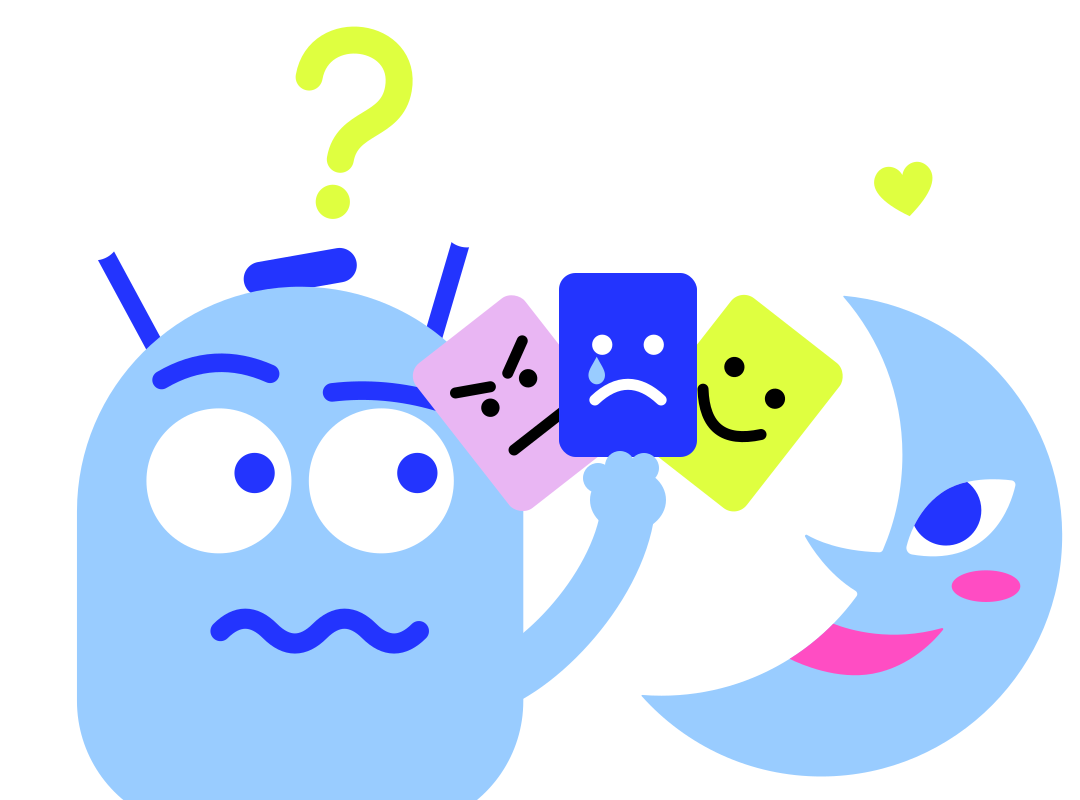

"The more, and the more often, we're in touch with our own emotions and feelings, the better we can recognize them in other people."
A psychologist with a medical degree told us what to do if you want to understand emotions better, both your own and your partner's.
It's easier for us to recognize things we're already familiar with. If we know what something looks like, what shape it has and what its characteristics are, we can already guess what it is.
It's the same with emotions: we can only recognize an emotion when we're familiar with it ourselves.
We get to know emotions in childhood. For example, when a significant adult responds to a child's crying with feedback:

"Looks like that upset you."
"It seems that hurt you so much that you got angry."
If, in childhood, a child doesn't get their emotions named by an adult (and this happens often), they grow up into a person who finds it hard to recognize their own emotions and the emotions of other people.
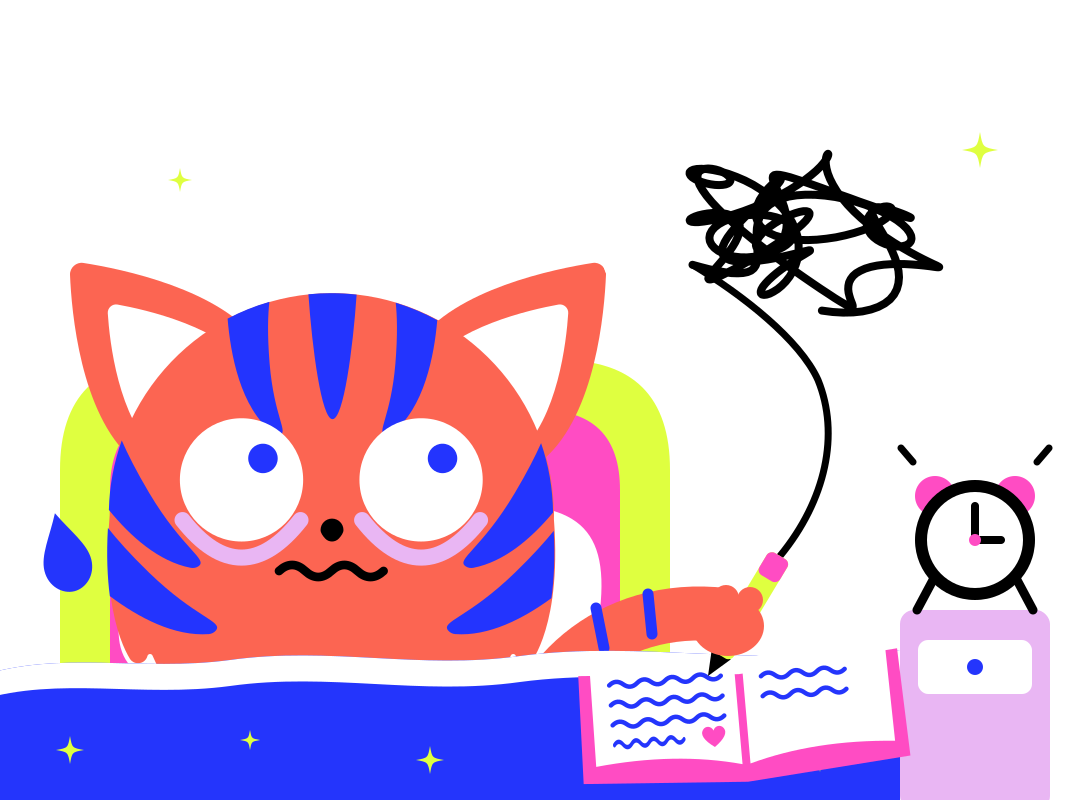
I want to understand emotions better. What should I do? An emotion diary
It's a kind of way to identify a person's state throughout the day. Draw a table:
What happened: describe the situation.
Emotion/feeling: the name of the emotion*.
My body sensations: how this emotion shows up in the body (clenched teeth, "butterflies" in the stomach).
My thoughts: separate what you feel from what you think.
*Tip: there are a lot of emotions, so you can use Robert Plutchik's wheel of emotions.
Fill in all the columns as often as possible (at first you can set an alarm for every hour). Over time you'll be able to analyze your emotions and recognize them by how they show up in your body. You'll also learn which emotions you feel most often and the percentage breakdown of different emotions. That can turn out to be really surprising, too.
I want to understand emotions better. What should I do? Therapy
In therapy, with another person observing and helping, you can start noticing your emotions, naming them, observing them in yourself, watching your body's reactions and getting feedback.
Your therapist can be that very "significant adult" who helps build a connection between your emotions and how you experience them.
What else helps you understand emotions better?
Living through your own emotions by connecting with another character.
For example, by watching films or reading books. Have you noticed that you want to watch a drama precisely when you're sad?
Often we can't immediately recognize and name our emotions (and they don't leave us alone). We need an example we can "check ourselves against". Watching and reading widely like this broadens your own emotional range and your ability to understand your own emotions and other people's.
I don't understand my partner's emotions. How do we communicate?
It's hard to recognize your partner's emotions, or it seems to you that they're hiding their real emotions behind something else. Here are a few tips:
1. Listen to each other. Don't wait for the situation to resolve itself over time; take an active part in the conversation and try to speak the same language without shifting attention to unconstructive details.
2. Use "I-statements": they reflect your state and don't criticize the other person. For example:

"Yesterday, when you weren't talking to me, I felt unimportant to you, and it hurt."
3. Take a genuine interest in how your loved one is doing and how they feel in a specific situation.

"I think I was too cold yesterday. Did that hurt you?"