Harassment
What sexual harassment is, why it happens, why it's dangerous, and what to do about it.
Harassment
A post that won't make things scarier, just clearer. We promise.
Together with a psychologist, we've unpacked harassment piece by piece. The most important piece: "What matters first and foremost is whether the other person wants to receive this kind of attention or not."
Sexual harassment is A-N-Y action with a sexual undertone that is unpleasant for the person it's aimed at and can humiliate and offend them.
Why does it happen?
The belief that "if they pull your pigtails, it means they like you" takes root deep down and grows not only at school but in other social institutions too.
Slaps may seem harmless to the people doing them. And the desire for that kind of touch is understandable. What's more, that kind of "attention" may be pleasant for the other person. Or it may not. And in that case, it's sexual harassment. Which is neither ethical nor acceptable.
Why is it dangerous?
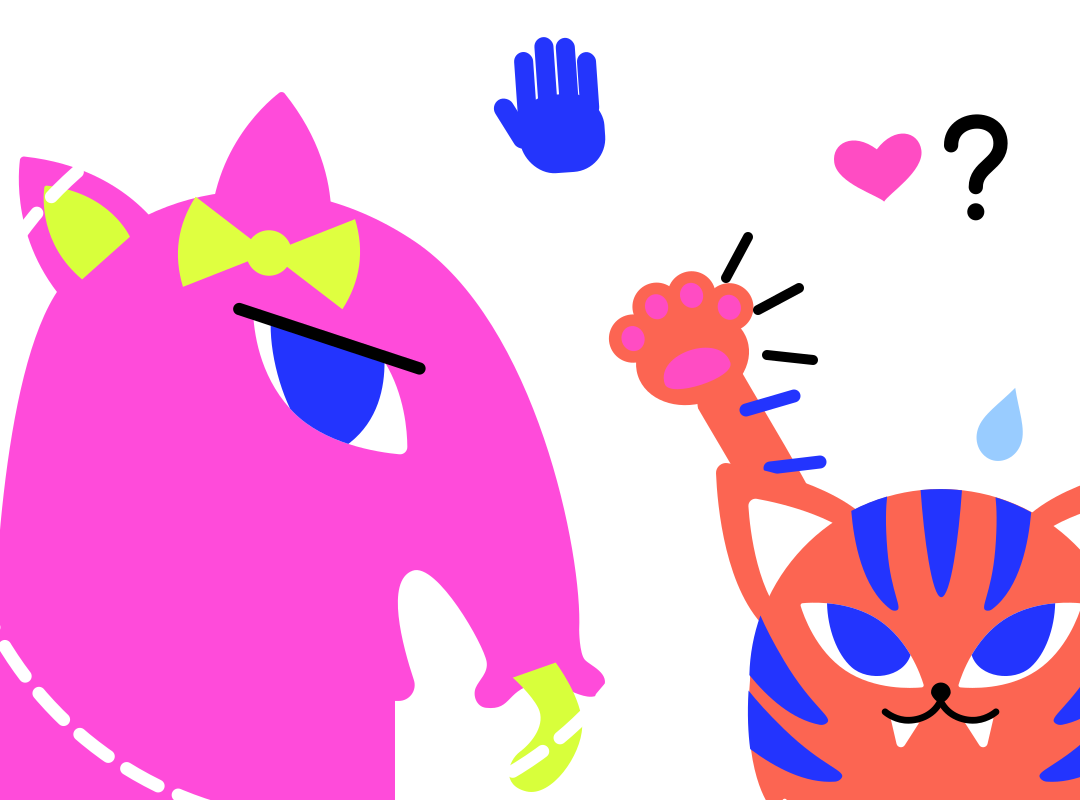
The very idea that "it's just a sign of affection, there's nothing wrong with it" imposes a certain response. For example, suppressing your inner discomfort and staying silent, or smiling in confusion, instead of clearly saying "I don't like this, don't touch me."
And that response gives the person doing things you find unpleasant the illusion that anything goes. Worse still, this person doesn't even stop to think whether their actions are appropriate. They wanted to, so they did.
Wanting to touch another person is normal and natural.
But what matters first and foremost is whether the other person wants to receive this attention or not.
What to do? It's simple.
If you want to touch someone, say so, and then decide from the other person's reaction whether it's acceptable or not.
If someone is touching you and you don't want it, say so directly and as soon as possible. The longer you stay silent, the more likely the person is to repeat these actions in the future.
If you're a bystander, don't support the idea that "touching = liking."
When we agree that "there's nothing wrong with it," we cut out of the chain whether the other person actually likes it or not. And that is exactly what separates flirting from unwanted advances.