Anxiety and loneliness on the eve of the holidays
Why Valentine's Day can make us feel unwanted and alone, where that anxiety comes from, and four ways a psychologist suggests to help yourself.
Anxiety and loneliness on the eve of the holidays
A Purpur classic: we love talking about anxiety before the holidays.
A psychologist explains how to help yourself 💜
You can think of February 14 not as a holiday but simply as a job well done by marketers. Still, the day comes with its own list of attributes that we can't help checking ourselves against.
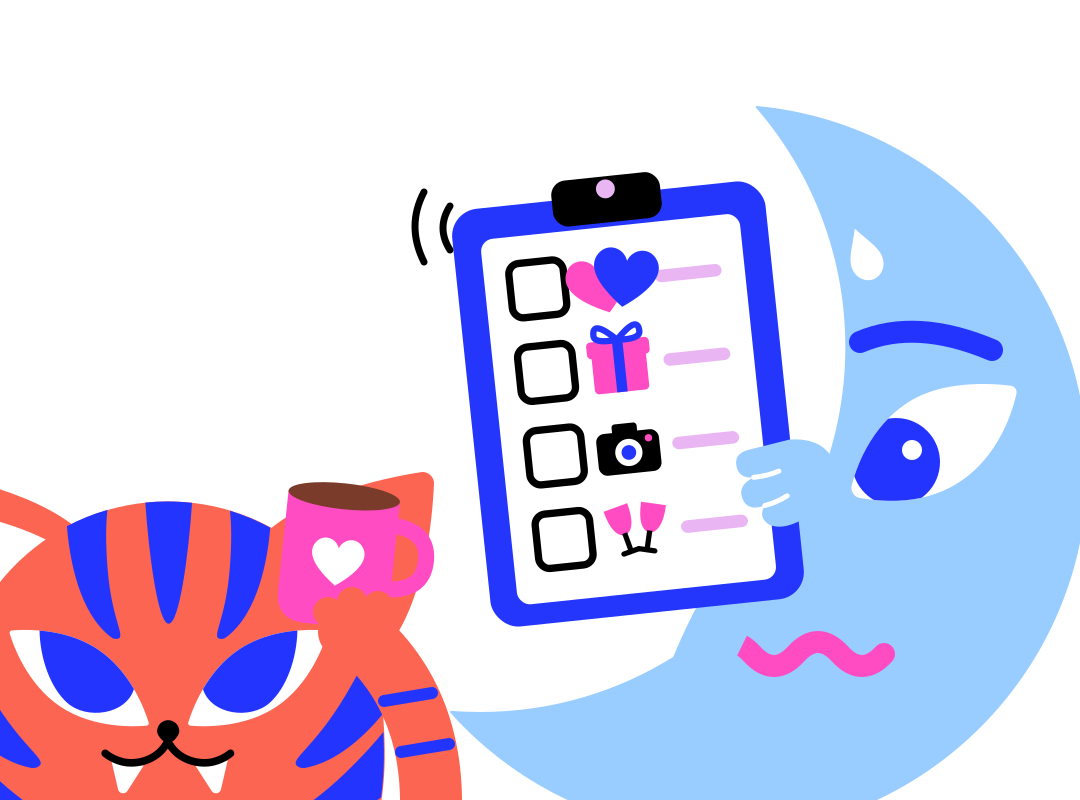
A partner, a date, gifts, sex, couple photos on social media.
And we may unconsciously tick these boxes. Too few ticks, and we feel unwanted, unloved and lonely.
Our brain perceives loneliness as "painful". We are social beings: in ancient times, a person could not survive without others. But the world has changed, and we no longer need other people to survive.
You can be happy with a partner or without one.
We have the privilege of travelling, going to restaurants and raising children solo. What matters is how we feel while doing it.
Where does this anxiety come from?
The stronger the bond between parent and child, the more self-sufficient and resilient, including to loneliness, the child will be as they grow up.
How do people end up technically adult but emotionally immature? When, from an early age, they were "toughened up" for the hardships of adult life: not comforted when they got hurt, not supported when they were scared, expected to be independent and resilient as little kids.
Such adults tend to "cling" to others, move from one relationship to the next and avoid independence. They find it hard to bear loneliness.
Loneliness is not about being unable to be with other people. It's about not wanting to be alone with yourself.
All of us were loved a little less than we needed, and in relationships we try to make up for the love we missed, to patch the "holes". There's nothing wrong with that.
What should worry you is a state in which all your energy goes into finding a partner and building a relationship. When you need another person to distract you from your own thoughts, to save you from yourself, to give you the love you don't feel for yourself.
How to help yourself: write down your emotions
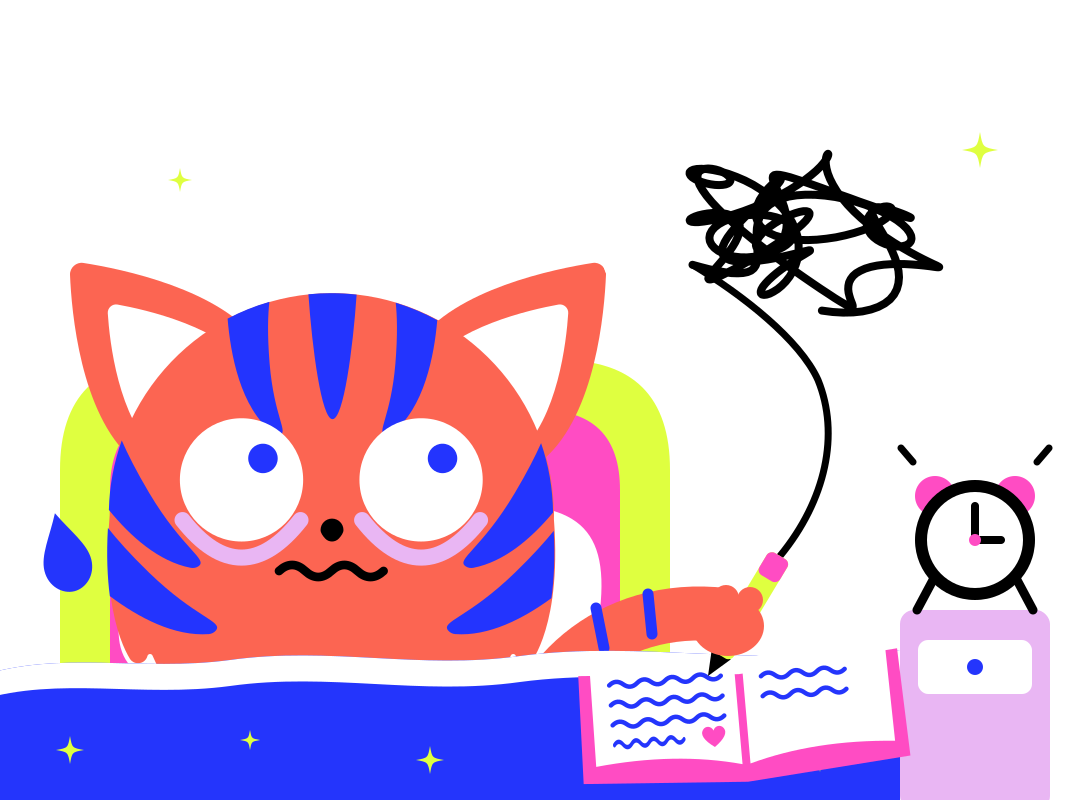
Write down on a sheet of paper everything that scares you, worries you, hurts you and makes you angry.
What it gives you:
What was hidden comes to light, or at least part of it. You no longer have to hide it "in the closet", and you stop spending energy on that.
And you'll feel an extra surge of energy. You'll see that on paper everything looks less frightening than when you keep running thoughts round and round in your head.
How to help yourself: do the opposite
The faster we run from fear, anxiety or intrusive thoughts (that is, the more we suppress them), the bigger their effect on us. Instead of fighting anxiety and running from it, you can turn to face it and say: "Come here, let's have a proper worry together."
What it gives you:
The anxiety will go away. As soon as we take the situation to the point of absurdity, inviting the fear to come closer, the anxiety to shake our whole body with us, the intrusive thoughts to tell us everything as vividly as possible, the "ring" of fear breaks and we are no longer afraid.
How to help yourself: give yourself a hug
Tell your inner child that you'll always be there, that you love them and will take care of them. That they are part of you, and their worth isn't defined by gifts on this day or any other. You can draw on an image of yourself from a childhood photo.
What it gives you:
When we treat our emotions with respect, don't dismiss them, and don't shame or criticise ourselves, we become our own support, and it's easier to move on.
This method can also save you from impulsive calls to your ex that you might regret later.
How to help yourself: shift your focus
Shift your attention from looking for a partner to yourself: what you enjoy doing, what interests you. Find a hobby you love and grow in that direction.
What it gives you:
It will unlock your inner resources and give you confidence and a sense of fulfilment, and over time a circle of like-minded people too.
You can also go to personal therapy. It's not a weakness, it's a way to help yourself.