Anger: why we need it and how it helps us function
What anger is, how it helps and protects us, and what to do when you want to write in caps HOW EVERYTHING IS DRIVING YOU MAD.
Anger: why we need it and how it helps us function
Give yourself permission to be angry.
What anger is, and how it helps and protects us. We looked into it together with a clinical psychologist and practising existential-humanistic psychotherapist.
Why we need it and how it helps us function
and what to do if I want to write in caps HOW EVERYTHING IS DRIVING ME MAD
Anger: what it is and why we avoid it
Psychotherapy spends a great deal of time on emotions, and on anger in particular.
We are used to filing it under "unwanted" emotions. We are afraid to feel it; we avoid it, suppress it, hide it. We don't let ourselves actually live through it, and we find no outlet or release for it. But that doesn't make anger disappear. It makes itself known in other ways, from irritability over trivial things all the way to psychosomatic symptoms.
Anger is an emotion just like any other, be it joy or sadness. Feeling anger is normal and healthy.
Emotions are fleeting and in no way define who we are as people. And they certainly don't say whether we are bad or good people. They do say we are alive.
What is anger for?
Anger highlights our values. It can be hard to keep a cool head when discussing something important if the other people's opinions are far from ours. We want to argue, to actively make our case, or, on the contrary, to pull back from the conversation and step aside.
And when our boundaries are violated, isn't it fair to get angry about it? For example, when you're called in to work on your day off, when someone reads your private messages, or when people make noise during a lecture so you can't hear something important. Anger points to these intrusions and helps us stand up for our boundaries and our needs.
Anger can also conceal other, deeper experiences. For example, fears, insecurity, guilt or shame. Then anger is only a dome, the thing lying on the surface: it acts as a protective reaction and shields us from difficult feelings.
Anger as a signal to rest
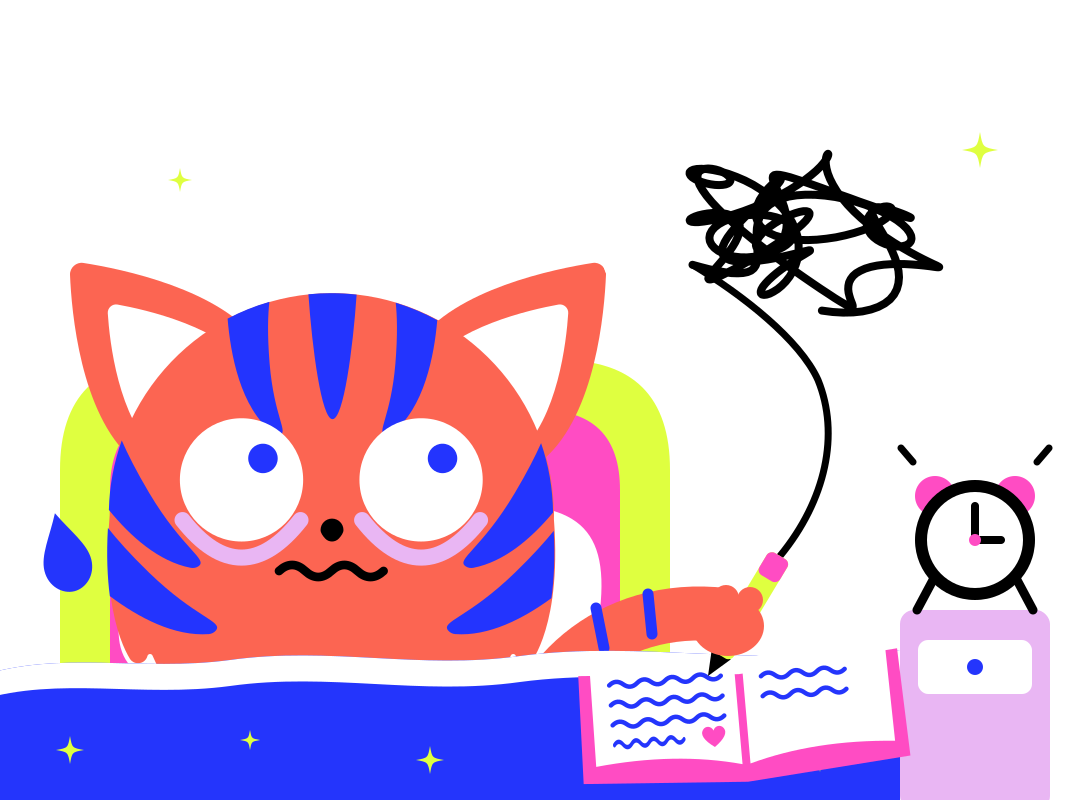
We can also get angry simply because we're tired and haven't noticed it.
We've worked all day and are heading home. Public transport at rush hour, traffic jams: all of this drains a lot of our energy. On the way we take in more content: stories, a favourite playlist, news channels. At home, other tasks are waiting for us: cooking dinner, spending time with loved ones, paying attention to pets. It's not work we get paid for, but it's the same kind of load and it demands our energy. And at that point anything can set us off: unwashed dishes, an ingredient for dinner that's run out, or a partner who's sitting on their phone.
Stop and ask yourself: "Wait, how am I actually doing? Maybe it's time to take a break and rest?"
Do you need to do anything about anger?
Yes. First and foremost, learn to pay attention to it.
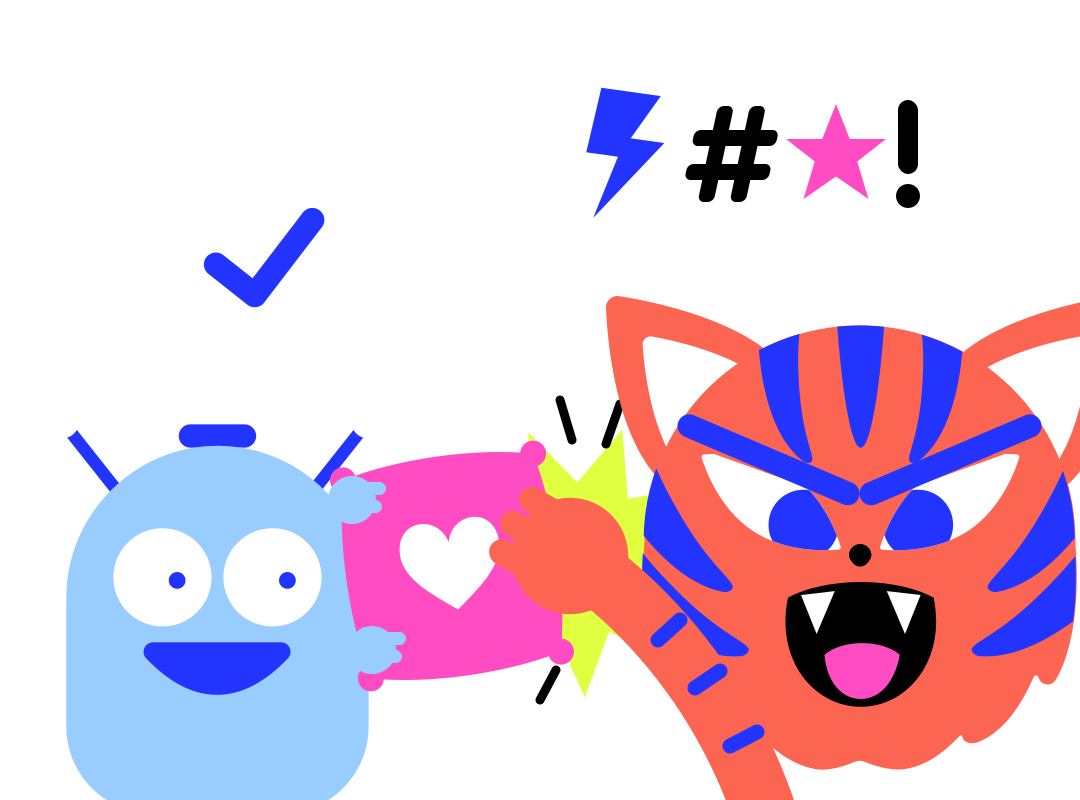
It can be hard to admit to yourself that you're angry. But try to notice that anger, and give yourself permission to be angry.
Of course, we may feel something bigger than irritation, and then we risk hurting the people close to us or saying too much to a colleague. In such cases it helps to give yourself time and cool down a little. Some people find it easier to withdraw and be alone for a while. The proverbial counting to 10 helps too. You can count to 100 if you have to. The main thing is to wait until you feel you can put your thoughts into words in a less tense and charged way.
An important rule: you can speak, but you can't act. This applies precisely to situations when the emotion takes a strong hold of you.
What else can help?
You can talk about a difficult situation with a third person you trust. It could be someone close to you, a friend or a psychologist.
It can also help to simply distract yourself with a game, household chores or sport. By switching to physical activity, we give ourselves the chance to temporarily step away from the situation so we can come back to it later feeling more relaxed.
Anger is a lot of energy. We become livelier and more alert when we're angry.
Learning to work with your anger is very useful. This is how we begin to show up in the world more authentically and build a strong connection with ourselves and our desires.
Understanding yourself is the key to freely choosing your behaviour and actions, to resolving long-standing problems and to self-realisation. And anger is a valuable tool in this: you can confidently rely on what it shows you.